
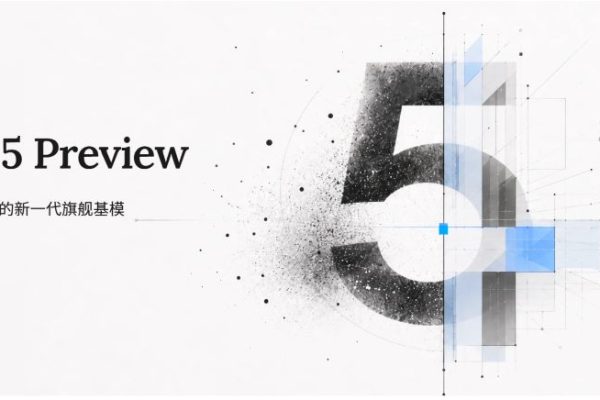
StepFun’s Step 5 Preview ranks among top three open-source models globally
Step 5 Preview uses a sparse mixture-of-experts architecture with 600 billion total parameters but activates only 27 billion at a time.
Step 5 Preview uses a sparse mixture-of-experts architecture with 600 billion total parameters but activates only 27 billion at a time.

Instead of only subsidizing rent or providing cash, cities could increasingly help startups by covering part of their AI usage costs.
与长隆集团-1-600x400.jpg "AgiBot to deploy 300-plus robots at world’s ‘first’ robotics theme park")
The scale of the project reflects a shift in how humanoid robots are being tested in commercial environments.

At 19,999 yuan, its robots sit closer to the price range of high-end consumer electronics than traditional industrial robots.
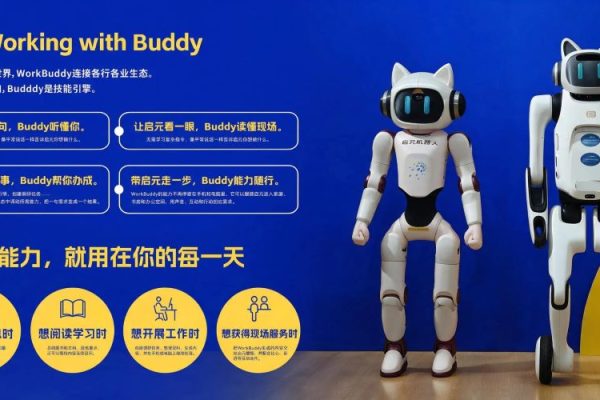
The tie-up signals a shift from robots executing fixed commands to AI agents that can reason, call external skills and act in the physical world.

Yangtze River Delta startups in metal 3D printer, tactile robotics, photonic chips and aerospace automation raised fresh funding.

Qwen said the simulation data will also be used to train vision-language-action models for telescope control.
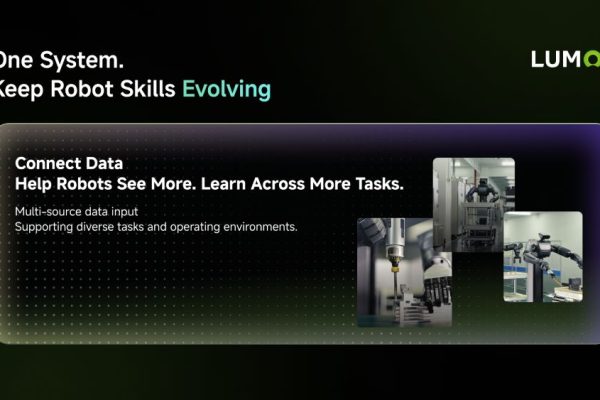
The idea is to shift robot deployment from one-off engineering projects toward a more repeatable process for producing and improving skills.
New capital will support R&D, clinical trials, commercialization and the deployment of AI-driven scientific research platforms.
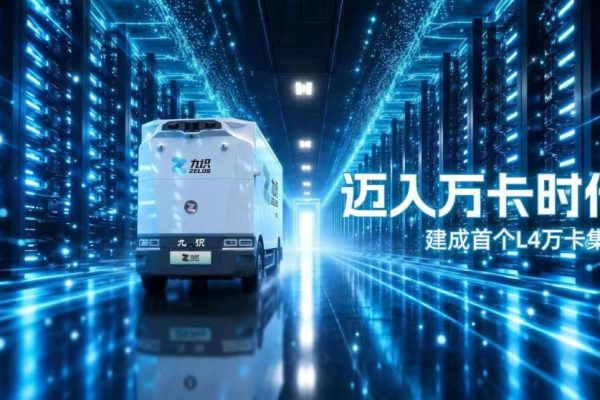
Fleet size, real-world operating data and access to large-scale computing are becoming increasingly intertwined.