- AI companies dominate global rankings as unicorn count hits record high
- China adds 80 new unicorns amid rapid expansion of AI ecosystem
DeepSeek has topped the newcomer list in the Hurun Global Unicorn Index 2026, with a valuation of 340 billion yuan ($50 billion), according to the latest report released by Hurun Research Institute.
The Hangzhou-based AI upstart is among 308 newly added unicorns globally and has also entered the top 15 of the overall global unicorn ranking, released yesterday in Guangzhou.
.jpg.webp)
The report shows that the number of unicorn companies worldwide reached a record 1,603, up 5.3% from a year earlier.
China ranked second globally with 381 unicorns, adding 80 new entrants, averaging one new unicorn every five days—significantly faster than last year. The United States remained in first place with 806 unicorns.
Hangzhou ranks 9th globally, 4th in China
At the city level, Hangzhou ranked ninth globally and fourth in China with 25 unicorns, up three from a year earlier. Together with Beijing (86), Shanghai (74), Shenzhen (44) and Guangzhou (24), the five cities account for two-thirds of China’s total unicorn population.
Somehow, the Hurun unicorn list’s finding contrasts with a chart released in April during the 10th All Blossom Conference held in Hangzhou, which put the city’s total unicorn count at 48.
.jpg.webp)
Delaying commercialization
Founded in 2023, DeepSeek has grown into a 340 billion yuan unicorn in just three years, according to the chart. Hurun founder Rupert Hoogewerf said the company—known for delaying commercialization in its early stage—has now broken into the global top 15 unicorns.
Hangzhou’s unicorn ecosystem spans major players including Ant Group (592 billion yuan), DeepSeek (340 billion yuan) and Cainiao, covering fintech, AI and logistics sectors.
.jpg.webp)
For the first time, the top three global unicorns are all AI companies: Anthropic leads with a valuation of 6.6 trillion yuan, followed by OpenAI at 5.8 trillion yuan and ByteDance at 3.3 trillion yuan.
AI unicorns now number 215 globally, second only to fintech (216 companies), but account for 36% of total unicorn valuation—three times that of the fintech sector.
Robotics, drones and chips
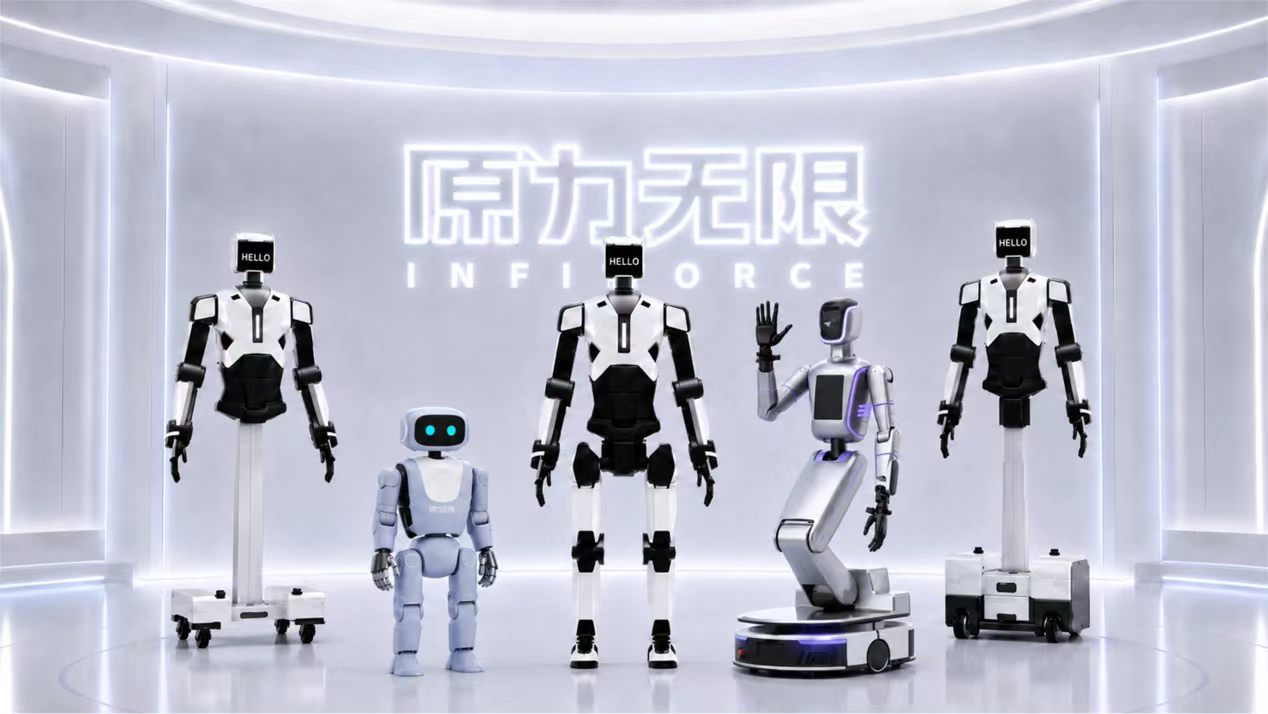
Robot-related companies have also seen a notable rise in prominence in China’s unicorn landscape, with their share increasing from 3% to 8.4% over the past year, making it one of the top five fastest-growing sectors.

DJI ranks sixth among China’s unicorns with a valuation of 250 billion yuan, while emerging players such as Unitree (宇树科技) and Galbot (银河通用) are rapidly gaining traction.
The low-altitude economy has also emerged as a key growth area. This year’s ranking includes 12 unicorns in the sector, eight of which are based in China, with DJI again leading the segment at 250 billion yuan.
Meanwhile, 29 Chinese unicorns were removed from the Hurun chart this year, after 26 of them achieved IPOs, marking the highest level in five years.
Notable representatives include Zhipu AI (智谱), SJ Semiconductor Corporation (盛合晶微), Moore Threads (摩尔线程) and MetaX (沐曦股份).