
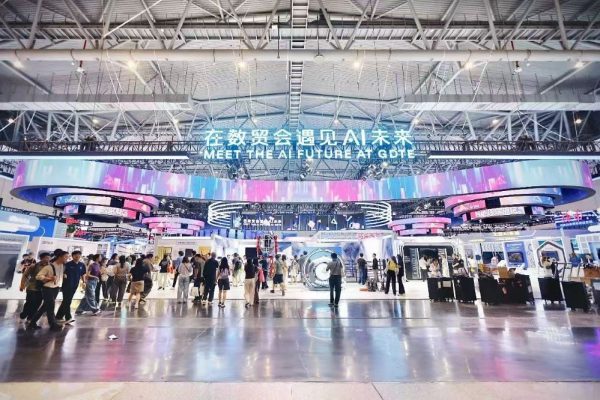
AI takes center stage as Hangzhou hosts China’s digital trade expo
AI is increasingly moving out of software and into machines that drive, fly, work and interact with the physical world.
AI is increasingly moving out of software and into machines that drive, fly, work and interact with the physical world.

The Hangzhou experiment takes a different approach, positioning seniors as AI users, creators and contributors.

Hangzhou has been steadily expanding its policy support since 2024, when it unveiled a plan to become a leader in the low-altitude economy.

The city is now among the country’s first to combine dedicated legislation with an accompanying industry action plan.

The event will also bring together Hangzhou’s “Six Little Dragons” and the “New Eight Stallions” for the first time.

The move addresses a new question for embodied AI: who will train, operate and manage robots once they enter the workplace.

The new campus will be part of Zhejiang University’s existing Zijingang Campus, rather than a separate university campus.

Zhipu’s expanding Hangzhou presence reflects a broader trend among China’s leading AI companies: building research, talent and commercial ecosystems outside Beijing.

The city has built 14 public drone takeoff and landing hubs, more than 600 terminal landing points and nearly 350 operational routes.

High-tech industries accounted for a record 68.1% of the city’s newly utilized foreign investment, 25.7 percentage points above the national average.