- Several Chinese suppliers have reportedly received Optimus orders, with some extending into 2027
- Tesla is assessing production lines and compliance at existing automotive suppliers
Tesla’s humanoid robot team has begun auditing suppliers in China’s Yangtze River Delta as the company prepares to ramp up production of its Optimus robot, with several suppliers reportedly already holding orders for the program, according to people familiar with the supply chain.
Tesla teams visited suppliers, mostly based in Zhejiang, including Tuopu Group (拓普集团), Sanhua Intelligent Controls (三花智控) and Joyson Electronics (均胜电子) last week, according to a story by Shanghai-based digital news portal The Paper.
The companies are all long-standing suppliers to Tesla’s automotive business. Tesla has not publicly confirmed the audits.
Who are the lucky ones?
“Before these audits, these companies had already received orders for Tesla’s humanoid robots, although the volumes varied,” one supply-chain source told The Paper. “The audits will assess production-line quality, compliance and other requirements. Once they pass, production will begin soon.”
The audits cover suppliers in Hangzhou, Ningbo, Shanghai and other parts of the Yangtze River Delta, a major manufacturing hub for Tesla’s China operations.

Tuopu, based in Ningbo, supplies linear and rotary actuators as well as motors for robotic hands and has entered small-batch deliveries, according to the source.
Sanhua, which operates in Shaoxing and Hangzhou, is developing integrated joint modules and is moving toward mass production.
Ningbo-based Joyson Electronics is developing robot domain controllers and has already supplied Chinese humanoid makers including AgiBot and Galbot.
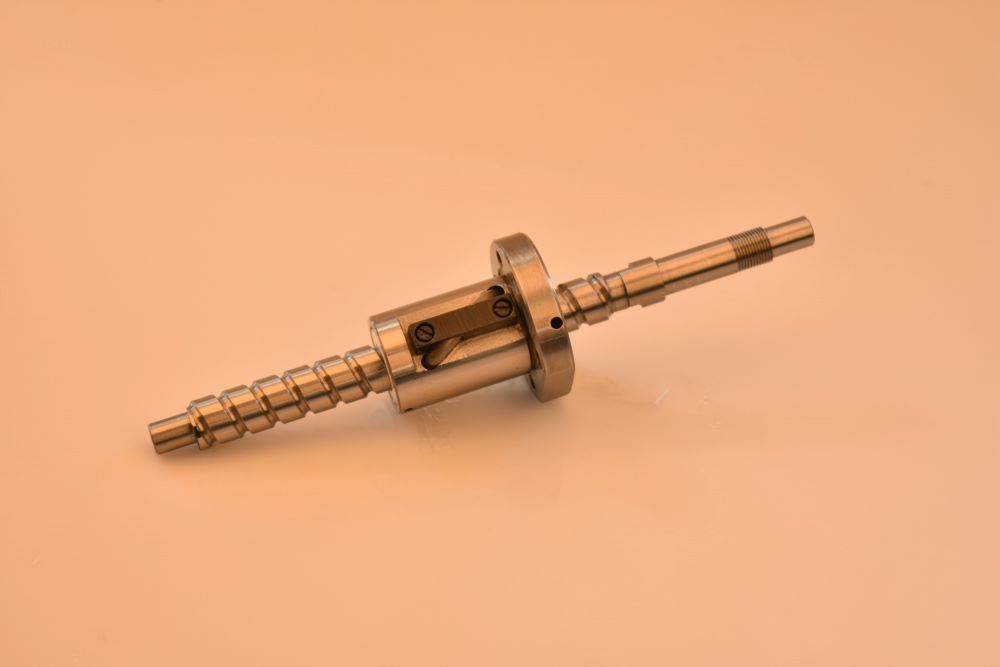
Meanwhile, Jiaxing-based Zhejiang Rongtai (浙江荣泰) was also reportedly on the audit list. It has entered the planetary roller screw market through its acquisition of KGG Robots and secured overseas mass-production orders through 2027.
Tesla’s robot team made Ningbo the main focus of its latest supplier audits, with plans to extend them to other supply-chain hubs including Shanghai, Hangzhou and Xiamen, according to Hangzhou-based Tidenews, a media outlet.
Reusing an automotive supply chain
Tesla’s reported supplier strategy highlights the role of China’s existing automotive manufacturing base in its robotics push.
Rather than building a new supplier network from scratch, Tesla can draw on companies that already meet its automotive quality and manufacturing requirements and adapt their capabilities to humanoid components.
That could give Optimus a faster path to scale, particularly for actuators, motors, precision components and electronic control systems.
But the reported audits should not be taken as proof that mass production is imminent.
Several companies have declined to confirm the inspections, while Chinese financial media have reported that Tesla’s local teams are already working with suppliers on robot components.
Mass production? Not yet
Tesla’s production timetable has also shifted repeatedly.
During a recent meeting with JPMorgan analysts, Tesla said external sales of Optimus could begin in the second half of 2027, while the company has previously warned that the initial production ramp would be slow.
The latest supplier activity therefore points to a supply chain moving into production preparation, rather than guaranteeing an imminent mass-market launch.
For the global humanoid robotics industry, the bigger question is whether manufacturing depth — rather than robot design alone — will determine which companies can move from prototypes to high-volume production.
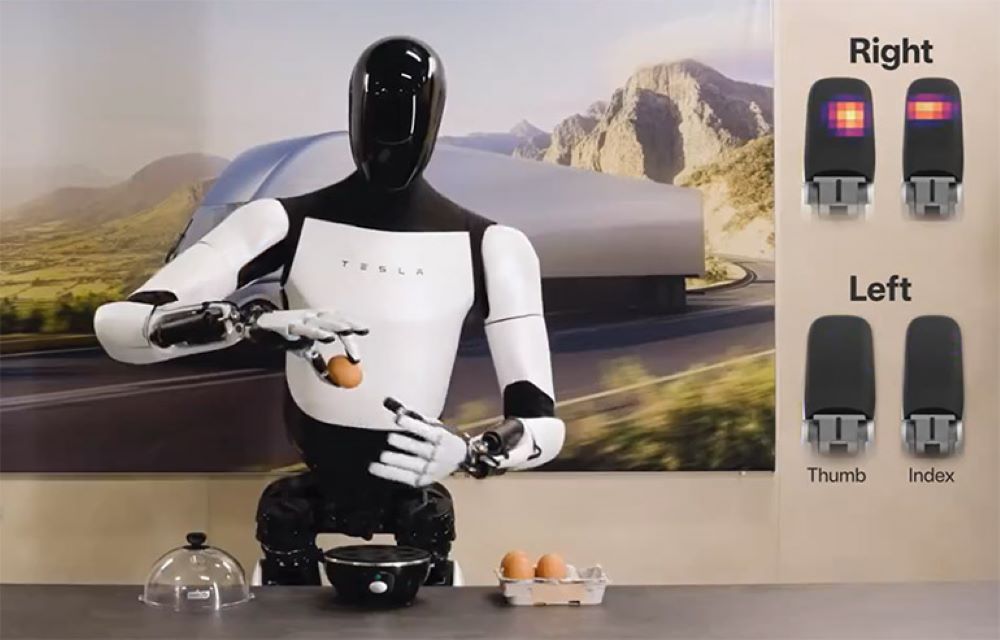
Header image credit: Tesla’s official video