- The Shanghai-based robotics company has added a tactile manipulation robot, dexterous hand and haptic data glove to its hardware lineup
- The three products are designed to cover robot movement, physical interaction and human-guided data collection
Sharpa, a Chinese AI robotics company valued at about $3 billion, unveiled three self-developed products at IROS 2026 in Pittsburgh on September 28, expanding beyond dexterous hands into a broader hardware system for embodied AI.
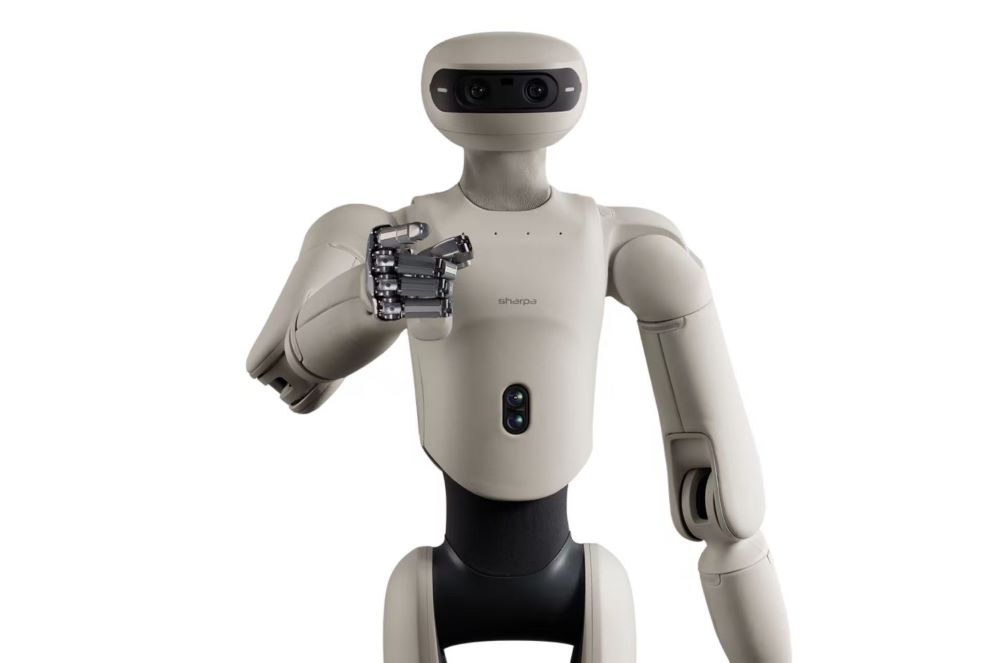
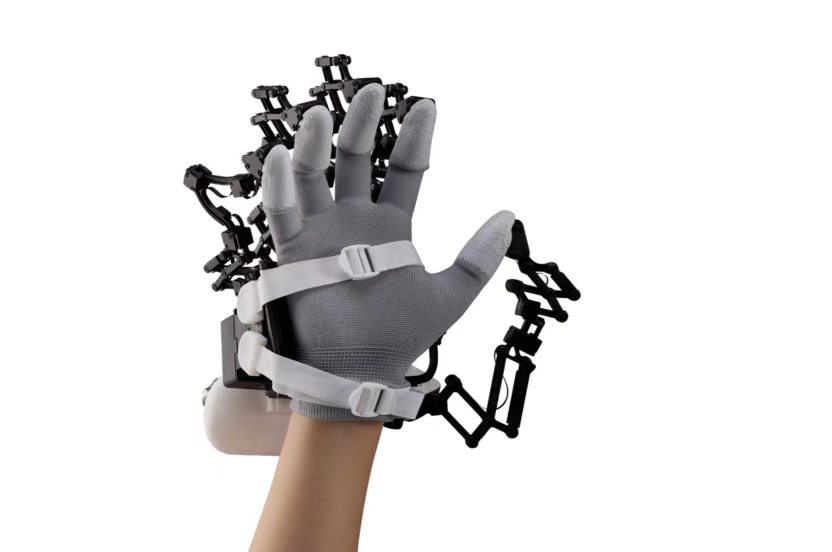
The lineup includes D01, the Shanghai-based company’s first integrated tactile manipulation robot; W02, a new generation of compact dexterous hand with tactile sensing; and AE01, a haptic exoskeleton glove designed to capture human hand movements and provide fingertip feedback.
Together, the products cover three parts of the physical-AI hardware stack: how a robot moves, how it physically senses and manipulates objects, and how human movements can be captured for remote operation and training data.
Sharpa builds the hardware loop
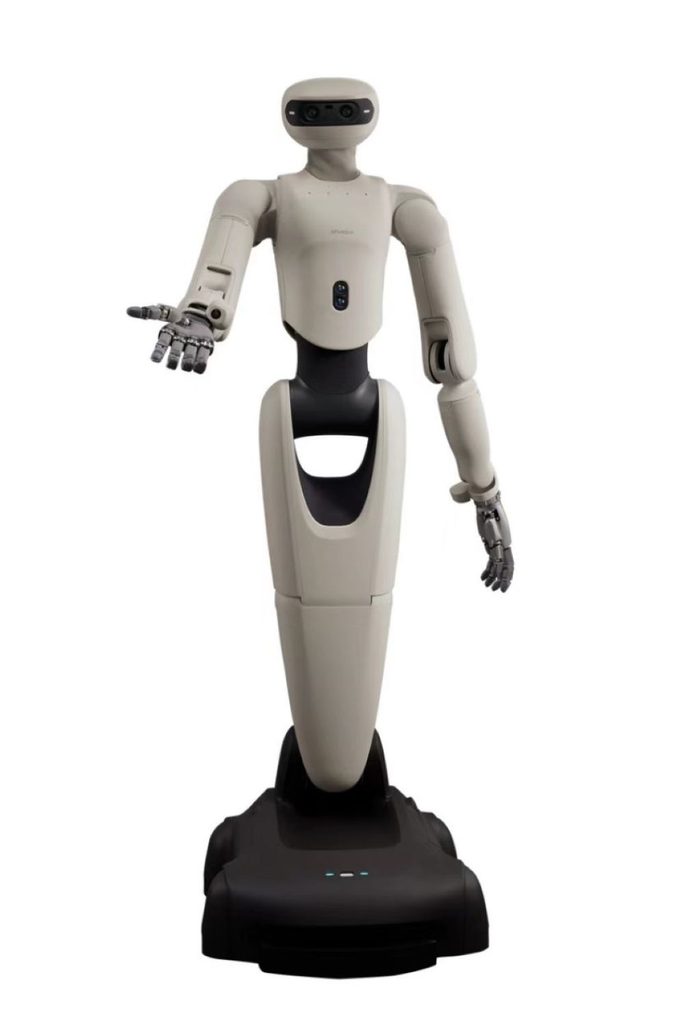
D01 combines a robotic arm and dexterous hand with tactile sensing throughout the body.
Sharpa says the arm has a payload-to-weight ratio close to 1:1, a maximum end-effector speed of more than 10.5 meters per second and repeat positioning accuracy of 0.2 millimeters.
Its electronic skin samples tactile information at 100 hertz.
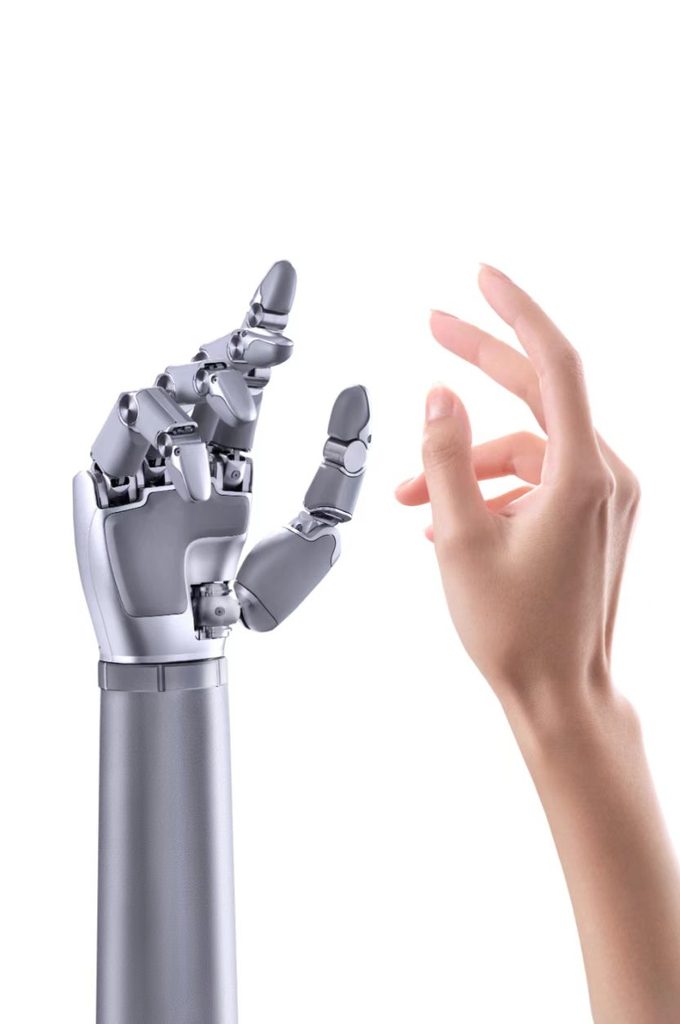
W02 packs 21 active degrees of freedom into a structure about 30% smaller than its predecessor.
Its fingertips use high-resolution vision-based tactile sensors, while electronic skin covers the palm to provide additional contact sensing.
AE01 uses 22 encoders to capture hand movements and adds fingertip haptic feedback, allowing human operators to interact with robots through more natural hand movements.
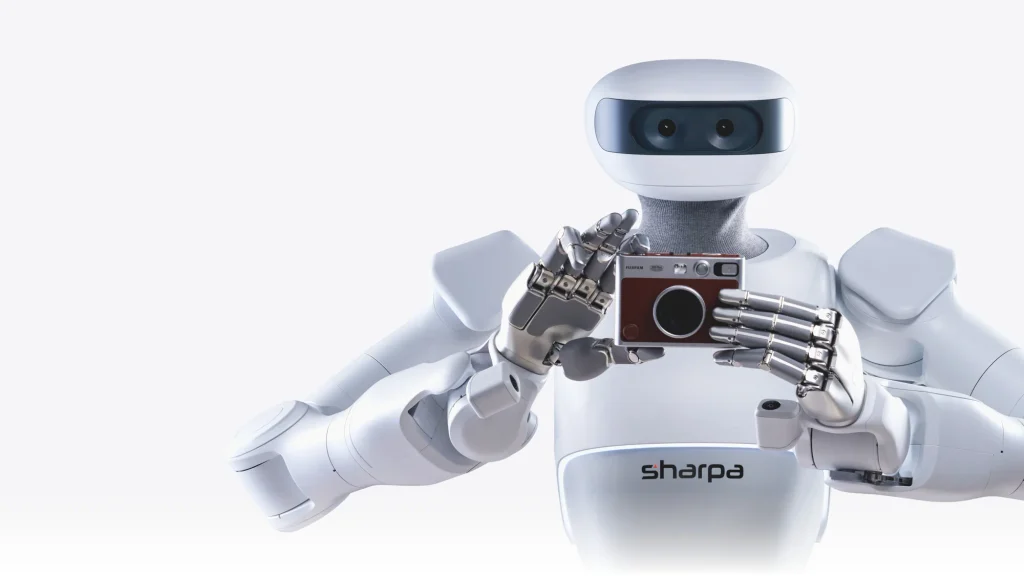
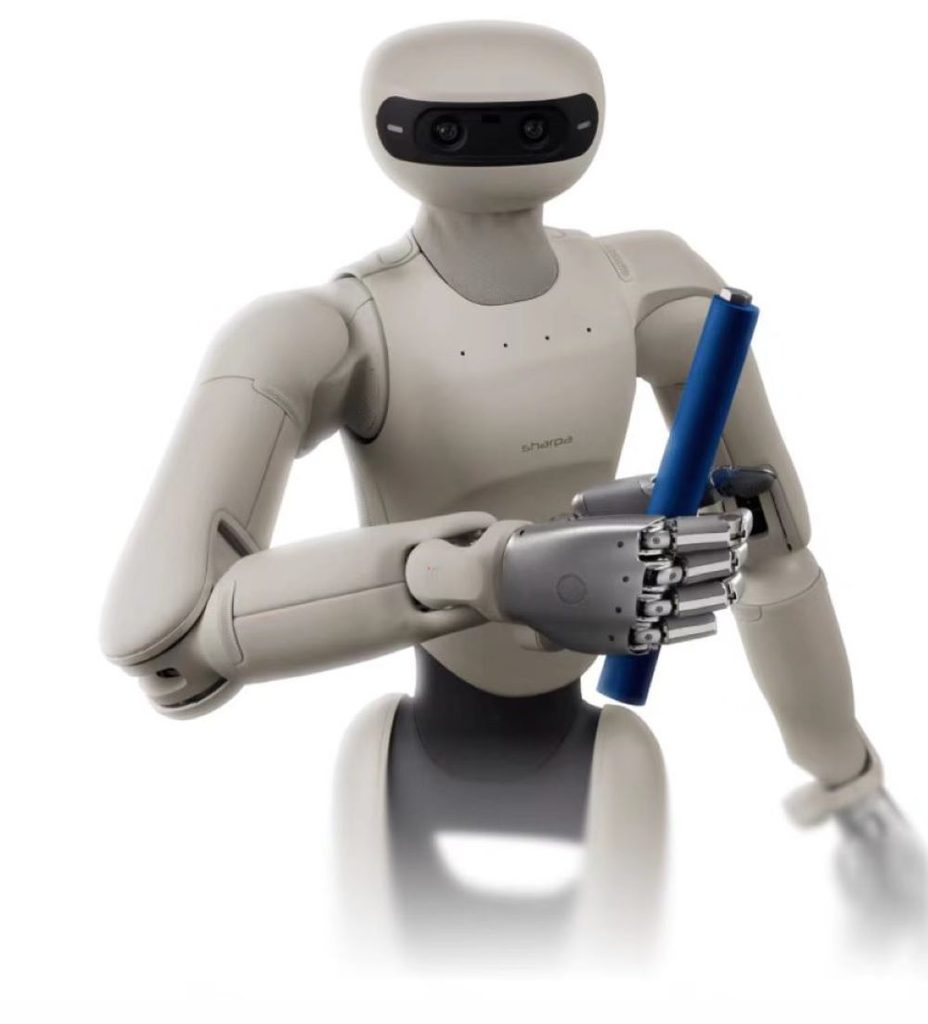
Sharpa demonstrated the three products at IROS through tasks including baton passing, cocktail mixing and catching toys.
From components to systems
The launch comes about 16 months after Sharpa’s previous major product push. In May 2025, the company introduced Sharpa Wave, its first tactile dexterous hand, with 22 active degrees of freedom and more than 1,000 tactile sensing units on each fingertip.
It followed with North, its first full-size humanoid robot, at CES in January 2026.
Sharpa disclosed in August that it had raised more than 4.5 billion yuan ($670 million) in cumulative funding, bringing its post-money valuation to 22 billion yuan.
Its investors include Alibaba, Meituan, Tencent and JD.com, as well as HongShan and Qiming Venture Partners.
The company’s dexterous hand has also been selected by Nvidia as the official standard dexterous hand for its Isaac GR00T reference humanoid robot.
Sharpa has begun testing its hardware in commercial settings as well. In Shanghai, the company partnered with Dairy Queen to deploy a robot capable of autonomously completing a 55-step Blizzard Flavors ice-cream preparation process.
Moving beyond showcases
The company’s founders previously worked at lidar maker Hesai Technology, where they helped develop a technology that moved from expensive laboratory equipment toward large-scale commercial production.
That background is reflected in Sharpa’s approach to robotics hardware: bringing down cost and improving reliability through engineering and manufacturing rather than relying solely on increasingly sophisticated demonstrations.
The broader test for Sharpa now is whether its hardware stack can move beyond showcases and become reliable enough for sustained use in real-world environments.
If it can, hardware integration — rather than flashy demonstrations — could become a defining battleground in embodied AI.
Header image credit: Sharpa