- Region’s startups working on optical technology, AI sports robotics, sodium-ion battery and semiconductor automation attracted fresh investment
- The deals will support wafer-level optics, AI sports hardware, sodium-ion batteries and automated semiconductor manufacturing
North Ocean Photonics raises over 1 billion yuan in Series C+
Shanghai-based North Ocean Photonics (鲲游光电) has raised more than 1 billion yuan ($149 million) in a Series C+ round, following a Series C financing worth hundreds of millions of yuan earlier this year. The investors were not disclosed.
Founded in 2016 in Shanghai’s Pudong New Area, North Ocean Photonics develops and commercializes wafer-level micro- and nano-optics and related optical devices, focusing on wafer-level optics and photonic integration.
Founder Lin Tao (林涛) graduated from Zhejiang University’s optoelectronics department and holds a PhD in optoelectronics from the University of Cambridge.
The core team includes PhD graduates from Stanford, Cambridge and Zhejiang University, as well as former executives from Microsoft and NASA.
The new funding will support construction of the company’s 12-inch wafer-level optics production line in Shanghai’s Lingang area.
The project carries a total investment of 2 billion yuan and is expected to be completed and operational in 2027. It will serve applications including augmented reality, optical communications, optical computing and automotive optics.
PongBot secures hundreds of millions of yuan in Series B
Shanghai-based AI sports robotics startup PongBot (庞伯特) has raised hundreds of millions of yuan in a Series B round led by Shanghai SSCI Leading Private Equity Fund Management.
Hua Capital and Pudong Venture Capital also participated, while existing investor Lanchi Ventures increased its investment.
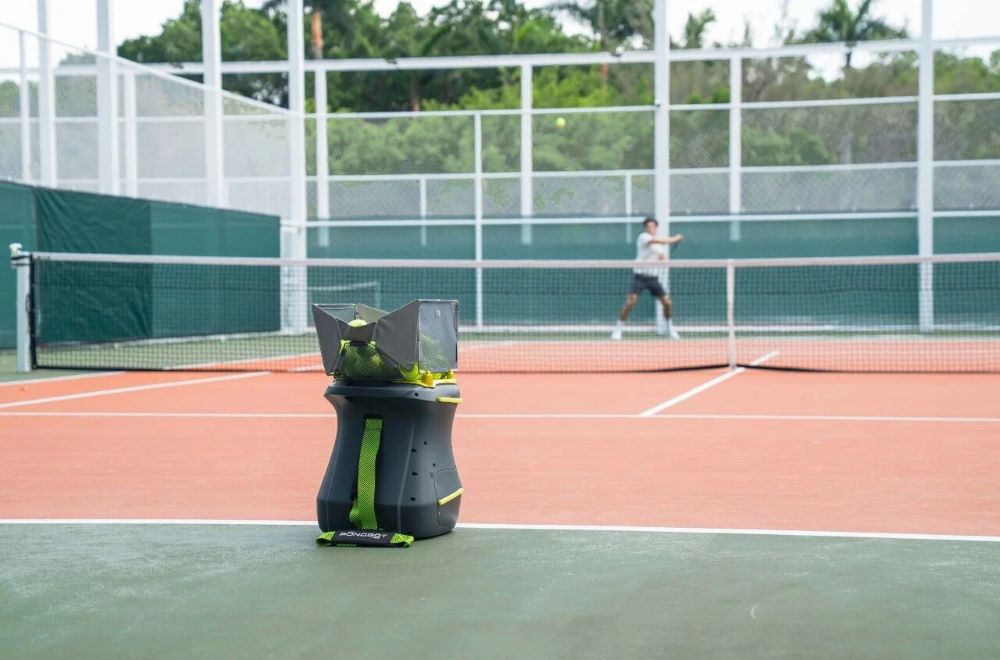
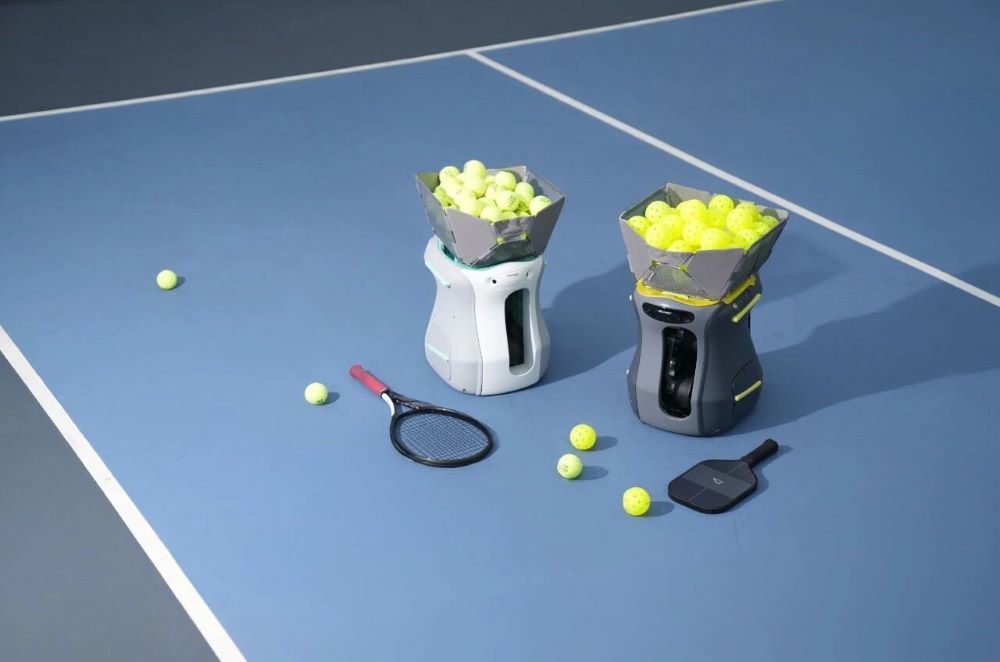
PongBot began with table-tennis ball-launching machines and has since developed integrated capabilities spanning ball delivery, visual perception, sports analysis and training decisions — a “hand-eye-brain” system that it is incorporating into smart sports hardware through its proprietary sports foundation model.
Its first smart tennis ball-launching robot series, PACE, raised more than $2.7 million on Kickstarter. Aura, an all-in-one AI coaching robot launched in 2026, raised more than $1 million within five hours of its crowdfunding campaign opening.
The company now has more than 300,000 users worldwide, and its devices have launched balls more than 2 billion times. PongBot is also an official ball-launching robot partner of the Australian Open.
Zoolnasm nets hundreds of millions of yuan in new funding
Suzhou-based sodium-ion battery company Zoolnasm (众钠能源) has completed a new funding round worth hundreds of millions of yuan.
Following a 300-million-yuan Series A round in 2025, the company has continued to attract substantial investment in the sodium-ion battery sector.
The latest round is Zoolnasm’s 10th financing round, according to the announcement. Investors include new and existing shareholders such as Tiande Capital and Cybernautea.
Zoolnasm focuses on polyanion-based sodium-ion battery technology. Its work spans materials, cells, battery packs and integrated systems, and it has developed complete preparation technologies for several sodium-ion battery cathode materials.
The new capital will support expansion of its next-generation battery cell production line, R&D on future products, market development and improvements to its supply chain and delivery capabilities.
Zooming bags nearly 100 million yuan in Series A
Shanghai-based Zooming (尊芯科技) has raised nearly 100 million yuan ($14.9 million) in a Series A round led by a fund under GP Capital, with Jiuke Capital also participating.
Founded in 2020, Zooming provides integrated automated material handling system (AMHS) solutions for semiconductor wafer fabs.
Its product portfolio includes core hardware such as ZEUS overhead hoist transport (OHT) systems, stockers and lifters, as well as software systems under its Phoenix Suite, including material control systems (MCS), vehicle operation systems (VOS) and reticle management systems (RMS).
The company has established R&D and production centres in Shanghai, Suzhou and Seoul. Its customers include major domestic wafer manufacturers, memory makers, and semiconductor packaging and testing companies.
The funding will support business expansion and construction of a 1,000-square-meter digital-twin facility in Pudong. The facility will be used to validate the company’s ability to deliver large-scale systems for giga-scale semiconductor fabs.