- The entrepreneur says GPT-6 has performed well in tests on Unitree robots and predicts embodied AI could reach a breakthrough within 1-2 years
- Wang previously estimated that robots would need two to three years at best to reliably handle unfamiliar tasks on command
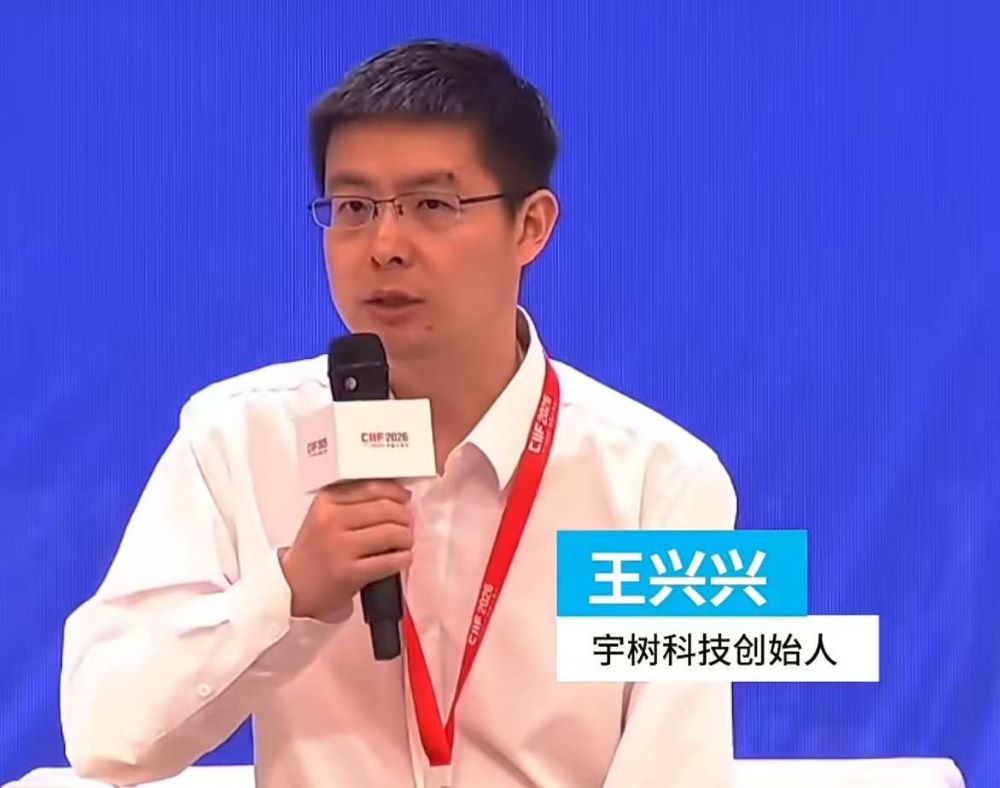
Unitree founder and CEO Wang Xingxing (王兴兴) says he made his biggest mistake over the past decade by not putting enough faith in AI, a view he says has changed after testing OpenAI’s GPT-6 on the company’s robots.
Speaking at the opening of the 26th China International Industry Fair on October 12, Wang said Unitree had deployed GPT-6 on its robots to test a range of tasks, with “pretty impressive” results.
AI models are advancing dramatically every one or two months, he said, suggesting that embodied AI could reach a turning point sooner than expected.
In an optimistic scenario, the breakthrough could come within one or two years. The arrival of GPT-7 next year could even help resolve major challenges in embodied AI, he said.
A faster timeline
Wang’s latest outlook is more optimistic than his previous assessment. At the World Robot Conference in August, he defined the arrival of a “ChatGPT moment” for robotics as the ability to complete about 80% of tasks in 80% of unfamiliar environments through voice commands.
At the time, he estimated that this milestone was two to three years away in the best case, or five to 10 years under a slower scenario.
Wang said robots still face two major hurdles before they can be deployed at scale: generalization, or the ability to handle situations beyond their training data, and operational efficiency. He expects progress on both fronts in the coming years.
He also sees commercial service applications advancing faster than industrial uses, while household robots are likely to take longer to mature.
AI in the development loop
Unitree is already experimenting with an internal “physical AI self-evolution” system that links code generation, model training, deployment, testing and feedback in a continuous loop.
The aim is to give AI a greater role in developing and evaluating robotic capabilities, he said.
According to him, human oversight remains necessary. People still need to judge whether a robot’s movements meet expectations and whether it has completed a task successfully.
“Many people may still not be using or embracing AI enough,” Wang told the audience.
Header image credit: 26th China International Industry Fair