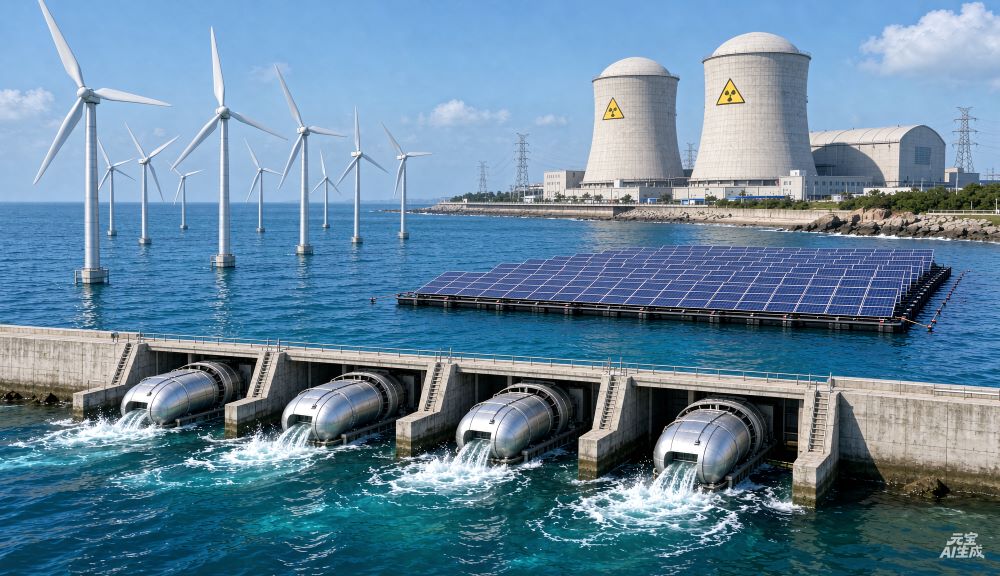
- The coastal province will focus on offshore wind, solar, marine energy and nuclear power while building up a broader equipment supply chain
- Floating wind foundations, dynamic cables and deepwater mooring systems are among the technologies targeted for development
Zhejiang has unveiled a policy blueprint to expand its marine clean-energy industry, targeting more than 300 billion yuan ($44.7 billion) in annual industrial output by 2030.
This policy push comes as the coastal province seeks to shift from a major power consumer to a growing source of clean electricity.
The province’s recently issued Guidelines for the Development of Zhejiang’s Marine Clean Energy Industry identifies four major sectors — offshore wind, offshore solar, tidal power and coastal nuclear power — and calls for coordinated development of their equipment and supply chains.
Offshore wind is the biggest focus. Zhejiang plans to build more than 10 gigawatts of offshore wind capacity by 2030 and establish a 10 gigawatt-level offshore wind base.
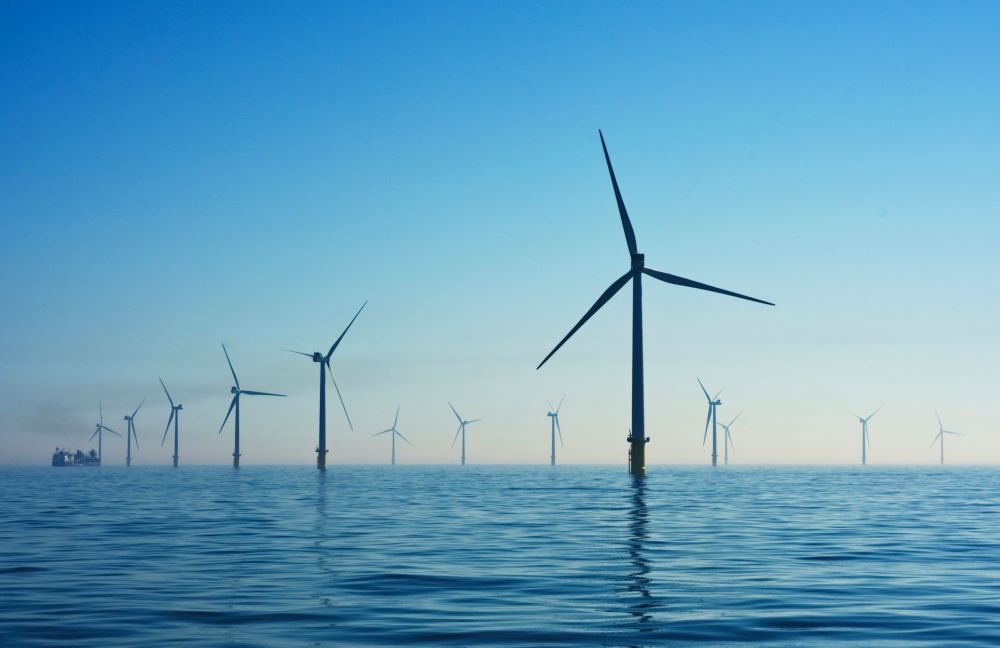
Meanwhile, the province seeks to strengthen production of large turbine blades, carbon-fiber main beams and high-voltage power components.
The guidelines also identify floating foundations, deepwater mooring systems and dynamic subsea cables as key technologies for further development, potentially opening opportunities for equipment makers as projects move farther offshore.
Offshore solar expands
Zhejiang also plans to improve the durability of solar modules in high-salinity, humid and high-wind environments, while developing floating platforms, mooring and anchoring systems designed specifically for offshore use.
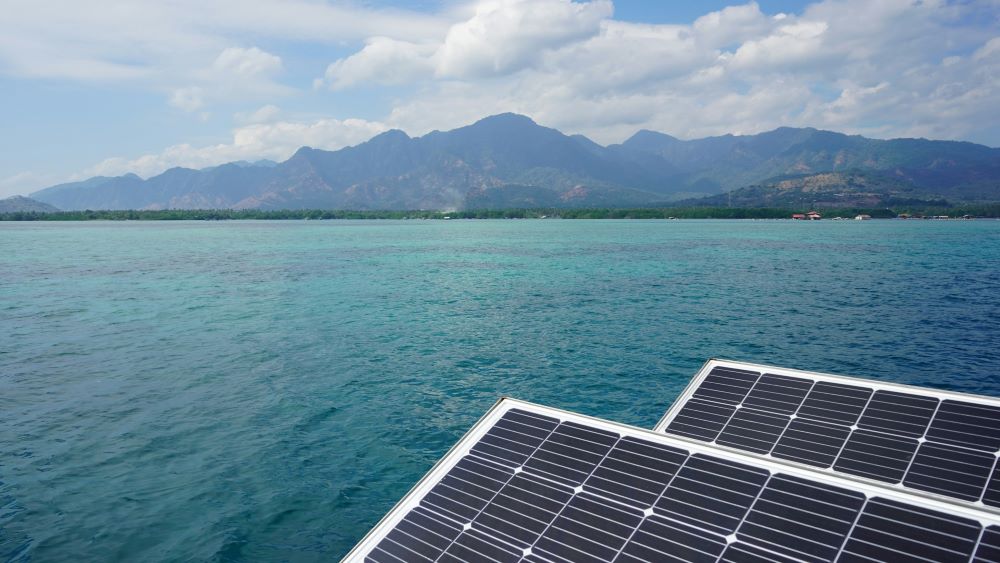
The province is already home to a 550-megawatt fishery-solar hybrid project in Wenzhou, which combines photovoltaic generation above the water with aquaculture below.
The project covers about 7,400 mu, or roughly 493 hectares, and is expected to generate about 790 million kilowatt-hours of electricity a year, enough to power 263,000 households.
It could save 235,000 metric tons of coal and cut carbon dioxide emissions by 650,000 metric tons a year, according to the guidelines.
Likewise, Yuhuan, a county-level city administered by Taizhou, has also released a nearly 1-gigawatt pipeline of solar projects.
One planned 1GW offshore solar project would be built around the site of the state-run China Huadian Yuhuan No. 1 offshore wind farm, allowing wind and solar generation to share the same marine area.
Marine energy is another area where Zhejiang sees an opportunity to build on existing strengths.
The province is a leading developer of megawatt-scale grid-connected tidal power technology and aims to bring tidal energy to 100-megawatt commercial deployment by 2030.
For coastal nuclear power, Zhejiang has nearly 10 gigawatts of operating coastal nuclear capacity, the third-highest in China. It plans to expand nuclear energy into heating, hydrogen production and desalination.
From power consumer to producer
The policy boost comes as Zhejiang seeks to strengthen its position in China’s clean-energy supply chain.
As of the end of August, the province had more than 50GW of technically developable offshore wind resources remaining, while its estimated tidal-energy potential of about 5.7GW was the highest in China.
Wenzhou, one of Zhejiang’s major industrial cities, recorded a 20.9% year-on-year increase in electricity generation in the first eight months of 2026, marking its shift from a net power-consuming city toward a power-exporting one.
Zhejiang has already developed marine clean-energy clusters in Hangzhou, Ningbo, Wenzhou, Jiaxing, Zhoushan and Taizhou.
But gaps remain in areas including deepwater wind construction equipment, dynamic subsea cables and floating foundations, the guidelines say.
Header image generated by Tencent Yuanbao AI