- New pilot zones target hydrogen, flexible electronics and low-altitude economy
- Province’s state-backed model shifts from chasing industries to building innovation ecosystems
Zhejiang has added six new provincial-level future-industry pilot zones, expanding a state-backed network designed to incubate emerging technologies ranging from hydrogen energy to low-altitude aviation and flexible electronics.
The latest additions bring Zhejiang’s total number of pilot zones to 36 across all 11 prefecture-level cities, reinforcing its strategy of building specialized innovation clusters rather than competing solely to attract large manufacturers.
Province-wide framework
Since launching the initiative in 2022, Zhejiang has established what it describes as a province-wide framework for developing future industries.
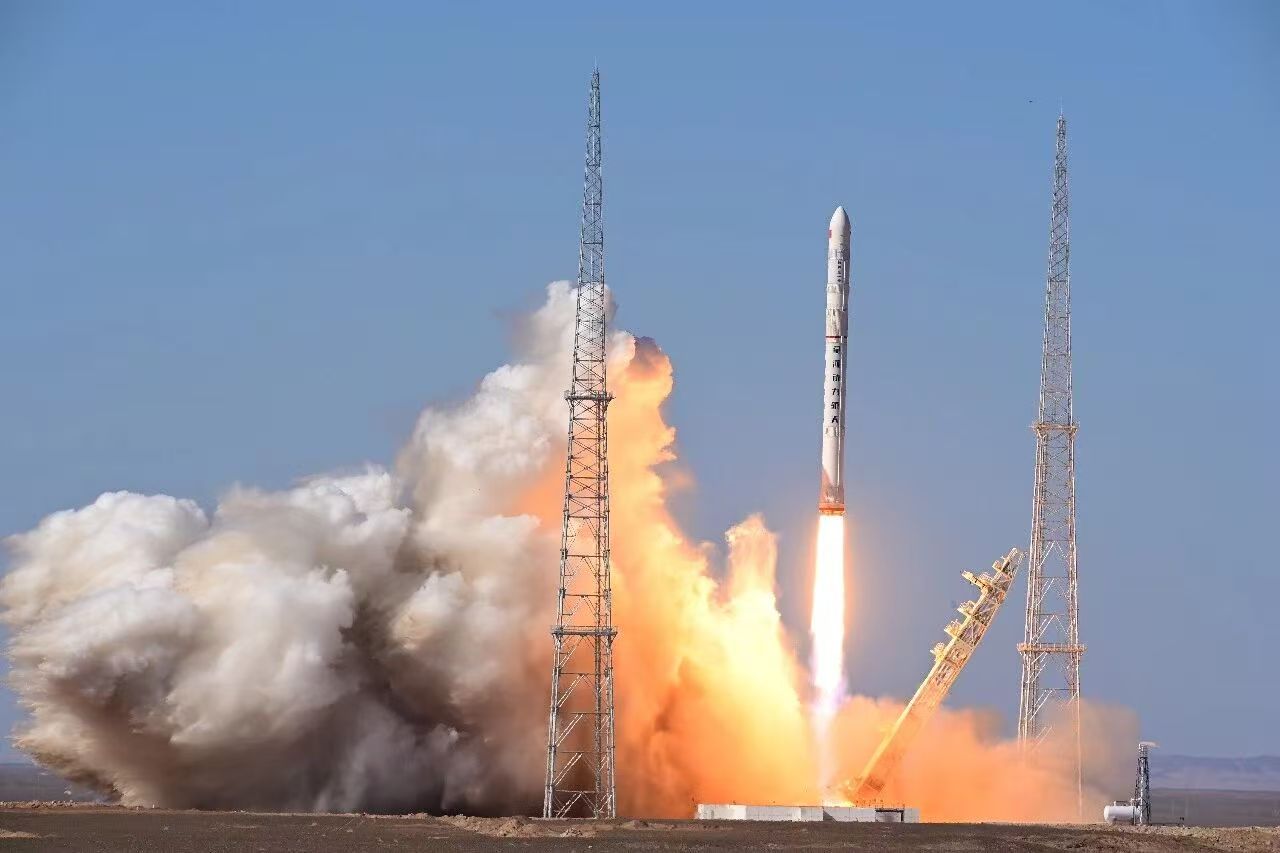
The six newly designated zones focus on hydrogen energy, flexible electronics, the low-altitude economy, aerospace equipment and biomanufacturing.
Each cluster follows a different development model. Ningbo’s Zhenhai district is building a hydrogen hub leveraging petrochemical byproduct hydrogen and port infrastructure, backed by a 5 billion yuan ($7.39 billion) industrial fund.
Jiaxing’s Nanhu district has attracted 54 flexible-electronics companies around a research institute affiliated with Tsinghua University.
Shaoxing’s Yuecheng district, designated as a provincial low-altitude aviation pilot area, has lined up 27 projects with planned investment totaling 33 billion yuan.
Under Zhejiang’s Xinghuo Jihua (星火计划), or “Spark Plan,” the province aims to expand the network to 60 future-industry pilot zones by 2030 while fostering trillion-yuan industries in fields such as embodied AI and biomanufacturing.
Competing on ecosystems, not incentives
The expansion reflects a broader shift in China’s regional development strategy.
Rather than competing primarily through subsidies or flagship projects, local governments are increasingly focused on building complete innovation ecosystems spanning basic research, technology validation, pilot manufacturing, commercialization and industrial financing.
The newly approved zones illustrate three distinct approaches: Nanhu emphasizes research-driven innovation built around leading institutes; Zhenhai combines industrial capital with state-backed investment; and Yuecheng integrates infrastructure, industrial projects and real-world application scenarios to accelerate commercialization.
Why it matters globally
For international observers, Zhejiang’s pilot-zone strategy offers a window into how China is attempting to industrialize frontier technologies through coordinated government planning.
Unlike Silicon Valley’s largely market-driven evolution, Zhejiang’s model relies on designated innovation districts supported by public funding, infrastructure and long-term industrial policy.
Whether this top-down approach can accelerate commercialization while preserving entrepreneurial dynamism will be an important test of China’s emerging innovation model.