- A successful maiden flight has put the spotlight on a small Anhui city that spent six years building around a private rocket maker and its supply chain
- Chizhou now hosts 23 commercial-space companies and aims to build a 10 billion yuan industry by 2028
For years, Chizhou (池州) was better known as a quiet riverside city in Anhui Province than as a place to build rockets.
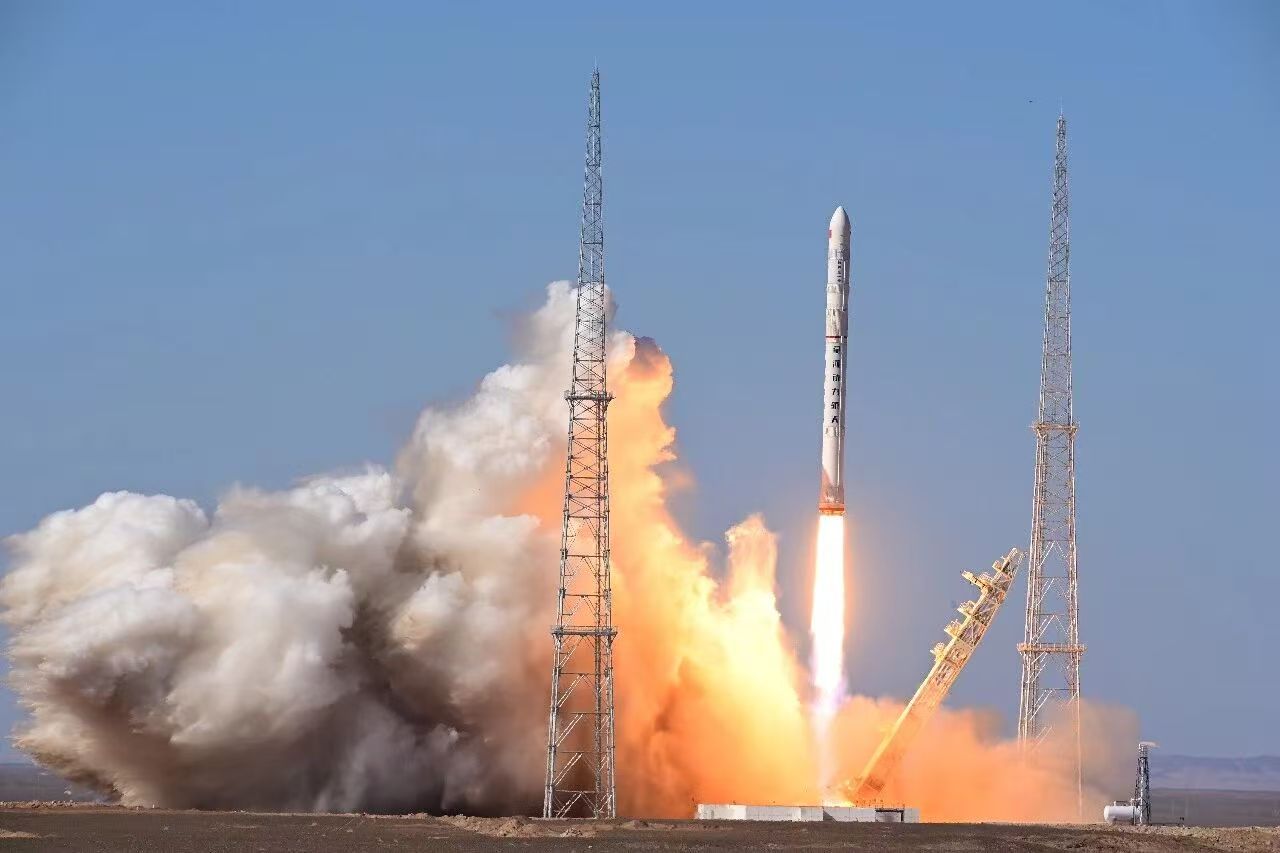
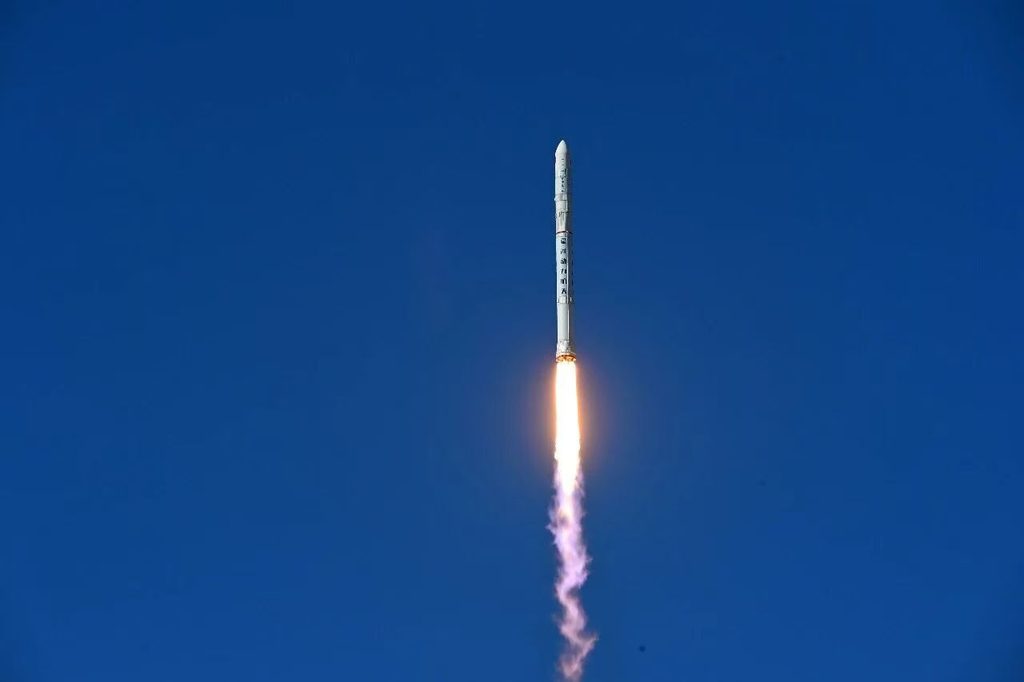
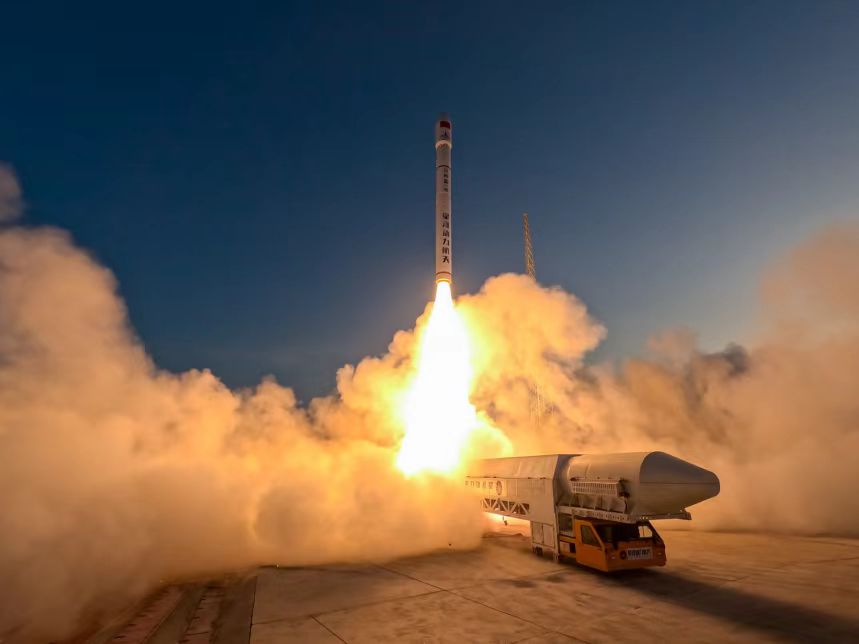
That changed on September 1, when a liquid-fueled Pallas-1 rocket assembled in the city roared off a launchpad in Jiuquan, marking its successful debut flight — and Chizhou’s arrival in China’s commercial-space race.
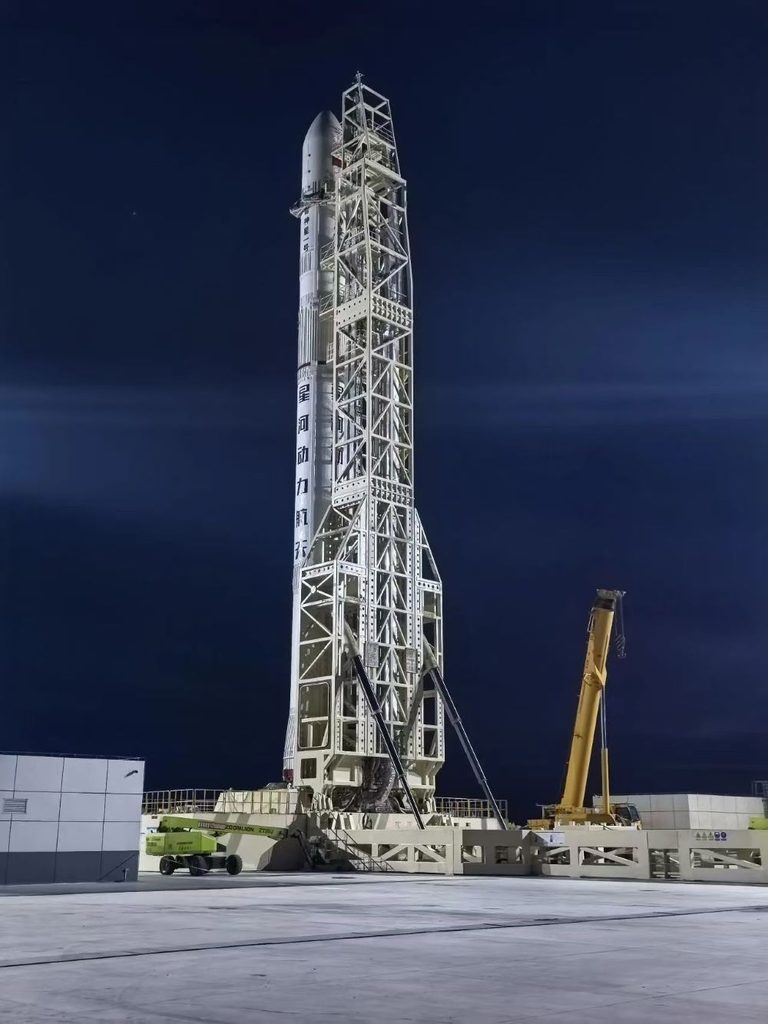
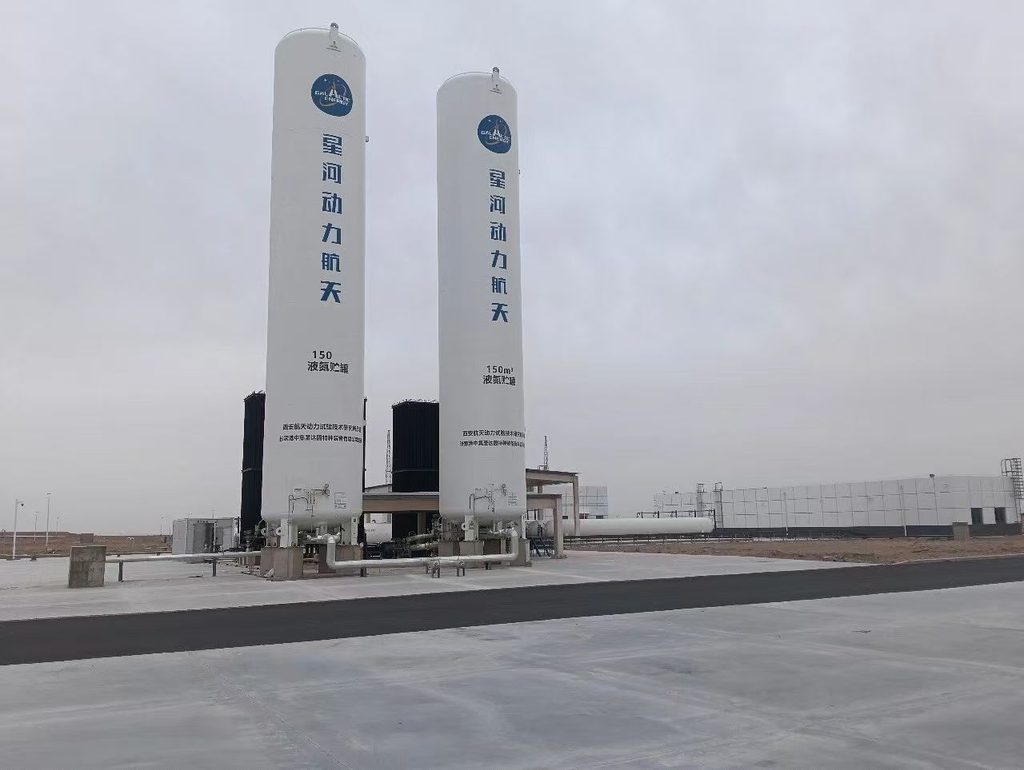
Developed by Beijing-based private rocket maker Galactic Energy (星河动力航天), the Pallas-1 (智神星一号) was the first medium-to-large reusable liquid oxygen-kerosene launch vehicle to be fully assembled in Anhui, putting the spotlight on a city once little known beyond the province.
From one rocket maker to an industry cluster
Chizhou’s commercial-space story began in 2019, when Galactic Energy established an equipment subsidiary in the city’s Jiangnan Emerging Industries Concentration Zone.
In 2020, Chizhou signed a project to industrialize Pallas-1, with an annual capacity of 24 rockets.
Nearly six years later, it has 23 commercial-space companies, with total project investment reaching 19.26 billion yuan ($2.7 billion).
The cluster spans rocket manufacturing, engine development, satellite payloads, aerospace materials, tracking and control services, and space education.
In July, Chizhou issued a three-year action plan targeting an industry worth more than 10 billion yuan ($1.49 billion) by 2028, with annual capacity of 12 rockets and 100 satellite payloads.
Galactic Energy began construction on August 10 of a second-phase base with a 1.5 billion yuan investment, designed to produce up to 24 reusable liquid rockets a year.
Less than a month later, Pallas-1 made its maiden flight.
The sequence illustrates Chizhou’s model: anchor company, targeted investment, capacity expansion and follow-on capital.
Anhui’s four-city space strategy
Chizhou’s rise is part of a broader provincial strategy. In April, Anhui released an action plan for commercial space through 2028, dividing responsibilities among Hefei, Bengbu (蚌埠), Anqing (安庆) and Chizhou.
Hefei focuses on satellite payloads, constellation operations and data applications; Bengbu and Chizhou on reusable rockets, engines and shared testing; and Anqing on complete satellite manufacturing.
That gives Chizhou a distinct role in the province’s emerging “rocket-star-terminal” ecosystem: producing rockets, making engines and conducting tests.
Galactic Energy CEO Liu Baiqi (刘百奇) called Chizhou “a city that truly understands commercial space,” citing its early planning and targeted supply-chain development.
He once also highlighted its potential for a “three-dimensional logistics loop” by land, water and air.
What Chizhou got right
The first advantage was choosing a lian zhu (链主), literally anchor company within an industrial chain, and staying committed to it.
Galactic Energy arrived in 2019, before China’s commercial-space boom took off, and Chizhou continued pouring state funds into the firm as it expanded.
The city also tailored infrastructure to its needs. Xing Baiqiang (邢柏强), head of power manufacturing at Galactic Energy, said Chizhou identified a disused mine during negotiations as a rocket-engine test site, offering noise isolation, distance from residential areas and convenient transport.
The second advantage was an existing industrial base. Chizhou’s magnesium and aluminum alloy industries naturally complement rocket manufacturing, which requires high-strength, heat-resistant materials.
The third was policy support with concrete targets. Both Anhui and Chizhou set explicit goals for industrial output, companies and production capacity, using targets to push the sector forward.
A lesson for commercial space
Pallas-1’s successful maiden flight makes Chizhou one of a small number of non-provincial-capital cities in China with liquid launch-vehicle assembly capabilities.
Its rise suggests that commercial space, traditionally concentrated in major cities and established aerospace centers, can decentralize toward smaller cities with cheaper land, lower costs and flexible industrial policies.
It also offers a case study in Anhui’s broader “innovation plus industry” model surrounding deep-tech development.
Under this model, local authorities bring a major tech project into a location with the right industrial base, build around an anchor company and sustain investment until a cluster emerges.
The same playbook is visible in Anhui’s development of memory chips, quantum computing, nuclear fusion and the low-altitude economy.
Pallas-1’s successful launch has just given Anhui’s deep-tech industrial strategy another proof point.
Header image credit: Galactic Energy’s official WeChat