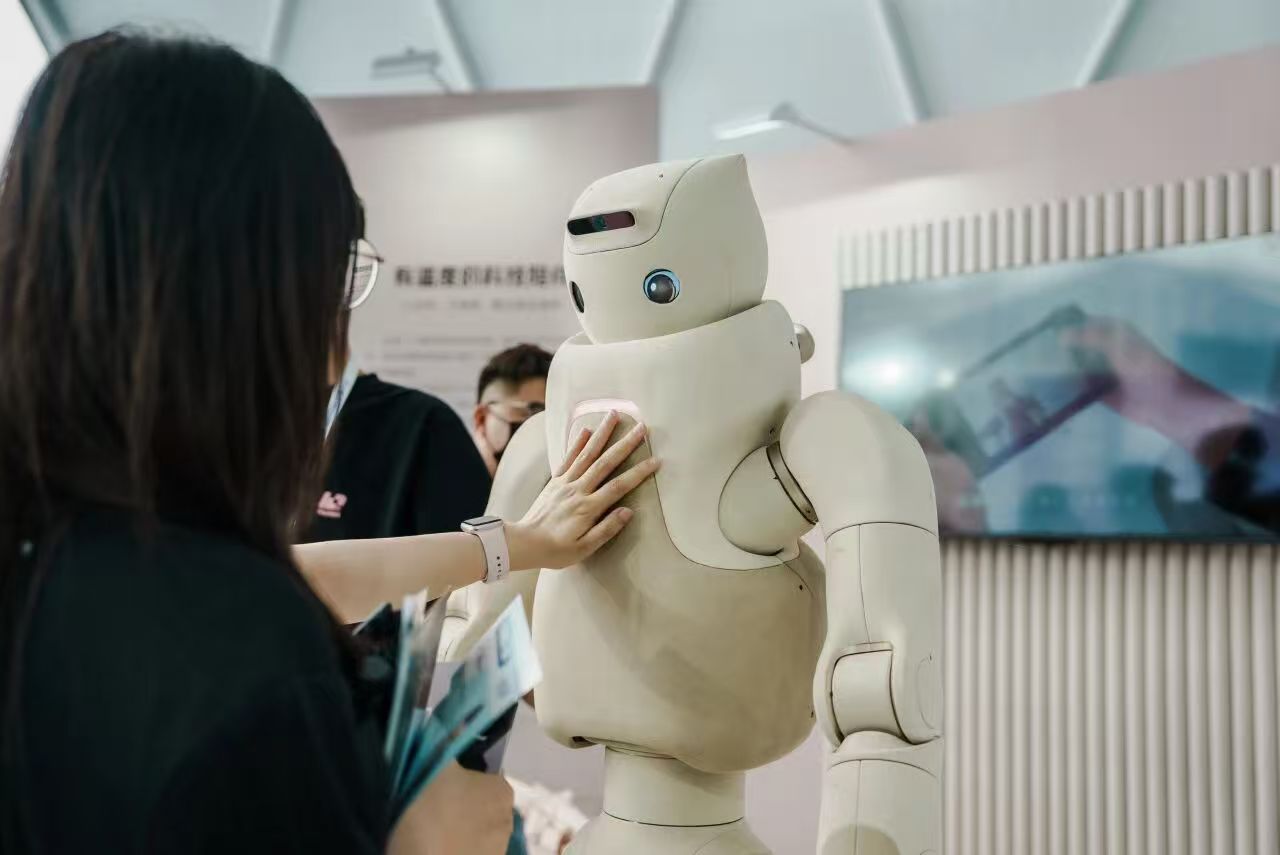
- More than 40 robotics companies will showcase machines handling tasks from pharmacy dispensing to industrial manufacturing and logistics
- The September 9-12 event is putting AI’s economic impact at the center of its agenda, as agents and robots move into everyday work
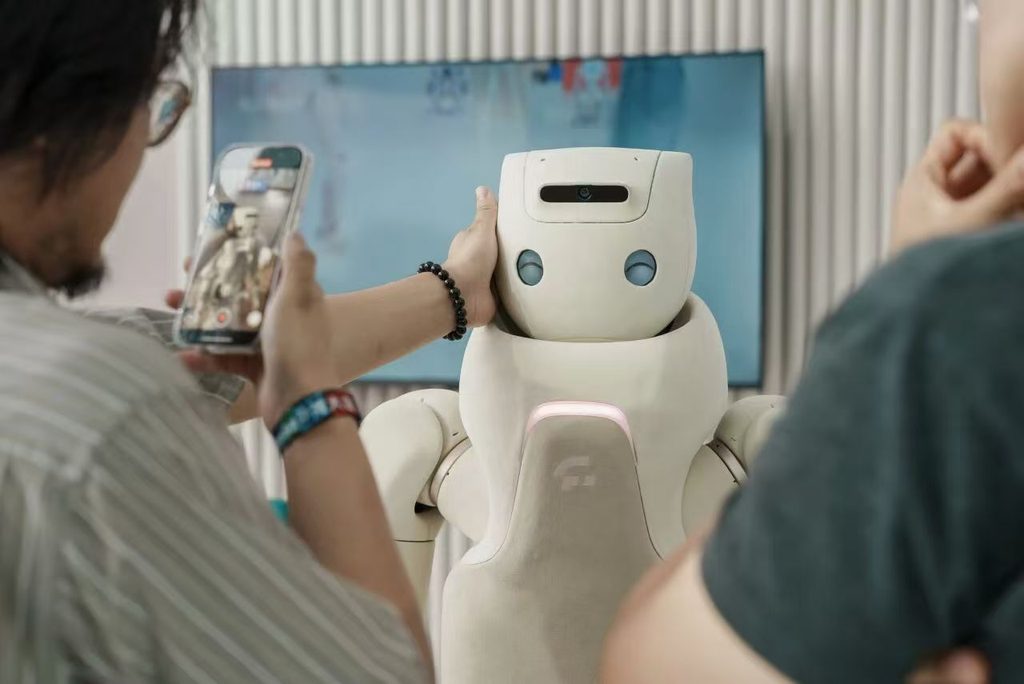
More than 40 embodied-AI companies will bring robots to a high-profile Shanghai tech summit next week, but visitors will see fewer running and jumping demonstrations and more machines doing actual work.
Unitree (宇树科技), AgiBot (智元机器人), Sudo AI (苏度科技) and other companies will showcase robots handling tasks including dispensing medicine in pharmacies, industrial manufacturing, logistics sorting, inspection and elder care at the 2026 Inclusion Conference on the Bund, which runs from September 9 to 12 at the Shanghai World Expo exhibition area in Huangpu district.
The shift reflects a broader change in China’s robotics industry: humanoids are moving from perform for audiences to doing real work.
The same theme will extend beyond robotics. More than 30 AI-agent applications will demonstrate tasks such as ordering coffee, finding domestic help and arranging veterinary care for pets — moving AI from simply answering questions to completing tasks.
AI becomes an economic question
The summit, themed “Building the AI Economy Together,” is putting AI-driven economic growth at the center of its agenda for the first time.

The discussion will go beyond technology to examine AI’s impact on productivity, employment and governance.
More than 50,000 people have registered to attend, with more than 300 companies exhibiting and international guests from more than 50 countries and regions — the highest level of overseas participation in the event’s history.
Nobel economics laureates Thomas Sargent and Philippe Aghion, who won the prize in 2025, will join technology and business leaders from companies including Alibaba, Stripe and SenseTime to discuss AI and economic growth.
The event will also feature a 15,000-square-meter technology exhibition focused on two bottlenecks in AI development: brains and data.
From technology to business
The summit is also becoming a meeting point for capital and cross-border technology.
Hong Kong and Singapore will bring their fintech events to the conference, focusing respectively on helping mainland Chinese companies expand overseas and on how AI is reshaping cross-border payments.
Meanwhile, Ant Group’s investment ecosystem and Alibaba’s Entrepreneurs Fund will jointly showcase nearly 120 technology projects, with more than 100 global investment institutions expected to attend.
The goal is to shorten the path from pitch to partnership to funding.
That makes the Inclusion event an interesting window into how China is approaching the next phase of AI.
The question is shifting from whether AI can perform a task to whether it can create measurable economic value — whether a robot can generate revenue on a factory floor, or an AI agent can complete work that previously required a human.
The Bund event may not settle that question. But it is increasingly becoming a place where China showcases its answer: put AI to work first, and let the economics follow.
Header image credit: Fourier’s WeChat account