- Unitree says “many of the claims are untrue” after two alleged employee accounts about its management practices trended on Chinese social media
- The controversy offers a glimpse into the cost pressures facing China’s humanoid-robot makers as the industry shifts from a talent and funding race toward commercial discipline
Two hashtags alleging that Unitree employees needed CEO Wang Xingxing‘s approval for expenses above 100 yuan ($15) and that the company’s reward-and-punishment system was overwhelmingly punitive trended on Chinese social media on September 1, triggering widespread discussion of the leading humanoid-robot maker’s internal management.
In response, Unitree said “many of the claims are untrue. Please do not take them seriously.”
The company did not specify which allegations were inaccurate or elaborate on Wang’s management style, though.
The reports had also portrayed Wang as highly focused on costs and confidentiality, with a direct and demanding communication style and a habit of discussing product details with frontline employees.
The cost battle behind the controversy
The attention reflects the pressures facing an industry that has attracted large amounts of capital and talent since the rise of generative AI in 2023.
Reports have suggested that Unitree’s pay is relatively modest by the standards of newer embodied-AI startups, although above traditional industrial-robot companies.
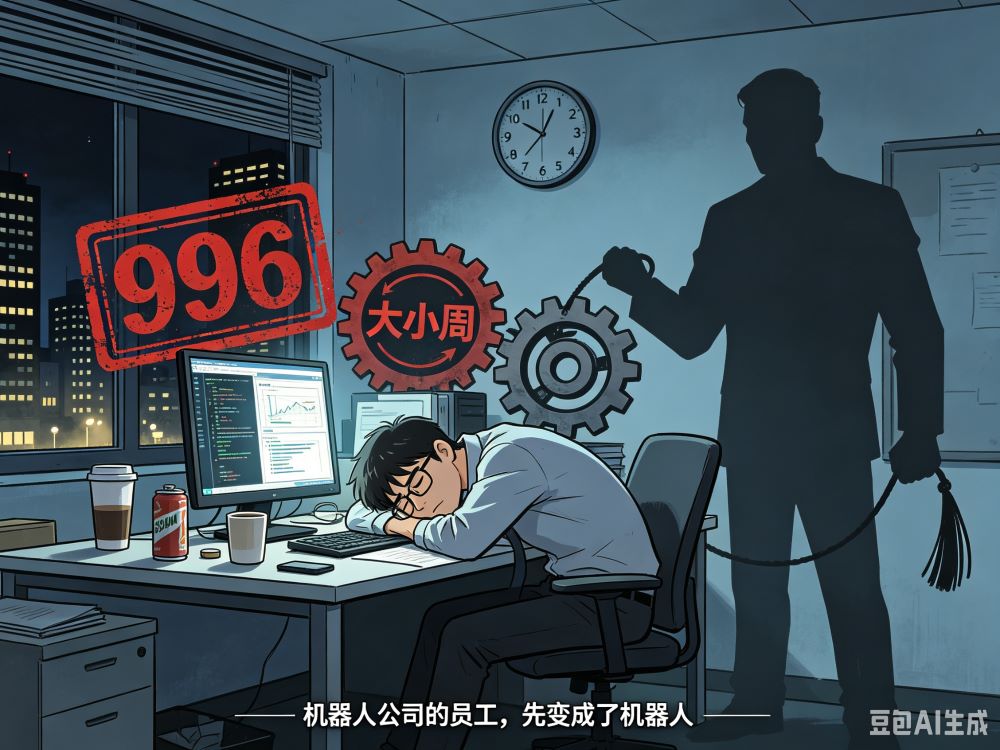
The company has also been described as maintaining demanding workloads, with 996 schedules and alternating weekends reported in its earlier years.
This author found through conversations with industry insiders that alternating between one and two days off on weekends are common among private firms, especially startups, in Hangzhou.
Cost control reigns supreme
As humanoid robotics moves from technical demonstrations toward commercial validation, cost control, mass production and cash-flow management are becoming as important as engineering breakthroughs.
Unitree shares traded at 556 yuan as of press time on September 2, giving it a market capitalization of about 225 billion yuan, almost down by half from the peak of 445 billion yuan.
From spending spree to operating discipline
For investors and robotics watchers, the episode offers a window into a broader shift in China’s embodied-AI industry: from aggressively hiring and spending to scrutinizing costs and commercial returns.
Unitree’s brief response leaves the specific allegations unresolved, but the broader question remains relevant across the sector: how can robotics companies balance heavy R&D spending and talent incentives with the need to bring costs down?
As the industry matures, the next phase of competition may be less about who can build a humanoid robot and more about who can build one economically.
Header image generated by Doubao