- AgiBot is deploying its full-size A3 Ultra in settings ranging from car dealerships to convenience stores
- The push reflects a shift in China’s humanoid robot race from flashy demonstrations toward commercial use
Chinese humanoid robot maker AgiBot (智元机器人) is putting its full-size machines to work in car dealerships, hotels and convenience stores, offering a glimpse of how the industry is trying to move beyond technology demonstrations and into commercial operations.
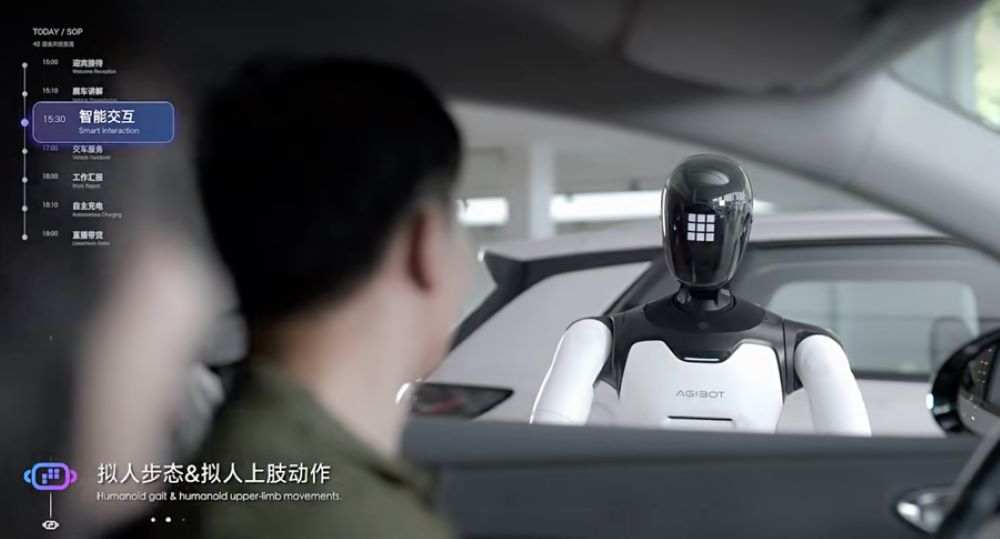
The company on September 17 released video footage showing its Expedition A3 Ultra performing tasks including greeting customers, serving drinks, explaining vehicle models and supporting livestream sales at a car dealership.
World’s ‘first’ commercial deployment
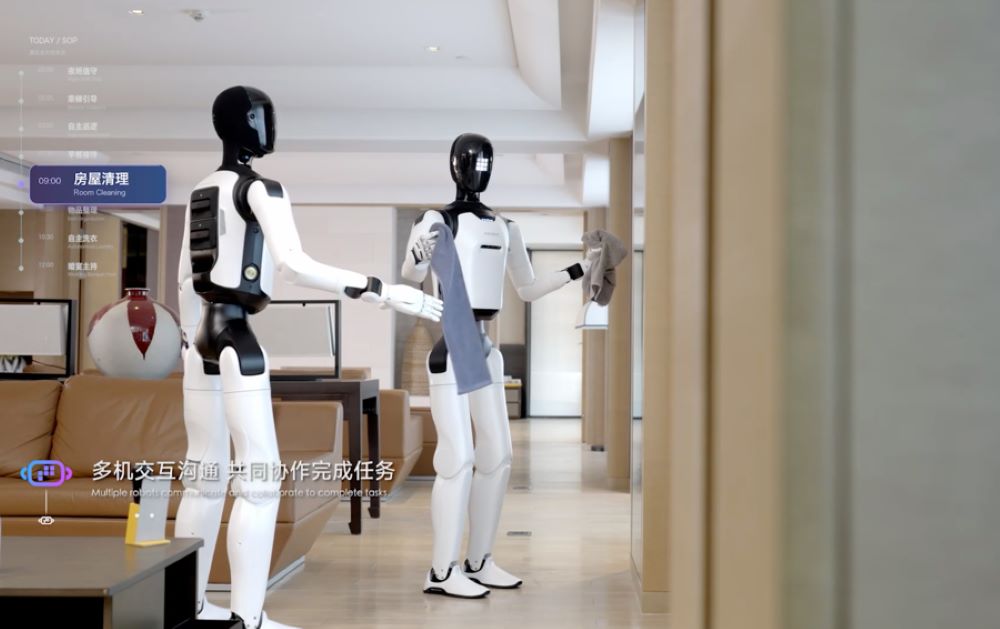
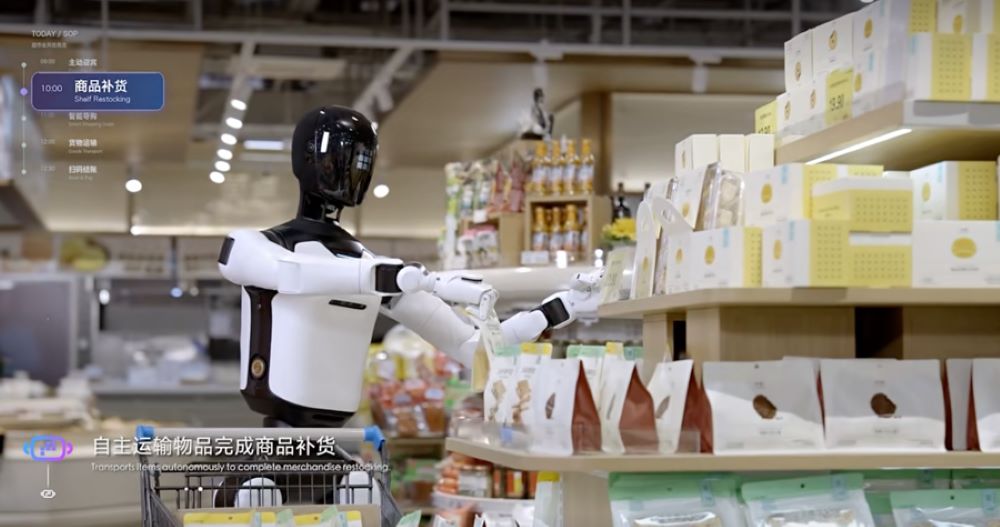
In hotels, the robots make beds, fold towels and conduct overnight inspections. At convenience stores, they patrol aisles, restock shelves and move heavy goods.
AgiBot described the footage as the world’s first real-world commercial deployment of a full-size humanoid robot produced at scale.
The A3 Ultra is equipped with a 700 TOPS computing platform, 360-degree perception and a 20-degree-of-freedom dexterous hand with omnidirectional tactile sensing.
It also supports autonomous charging and rapid battery swapping, features aimed at keeping the machines operating around the clock, according to the company.
From prototypes to products
AgiBot has previously described 2026 as a pivotal year for humanoid robots to move from development into deployment.
The company said the A3 Ultra has completed production validation at a scale of more than 1,000 units, with modular maintenance and simplified deployment designed to support commercial delivery.
The deployments highlight a growing challenge for China’s crowded humanoid robot industry.
As walking, running and other basic movements become increasingly commonplace, companies are under pressure to show that their machines can perform useful work reliably outside controlled demonstrations.
The choice of workplaces is significant. Car dealerships, hotels and convenience stores have different layouts and workflows, requiring robots to handle varied tasks and interact with people and objects in less predictable environments.
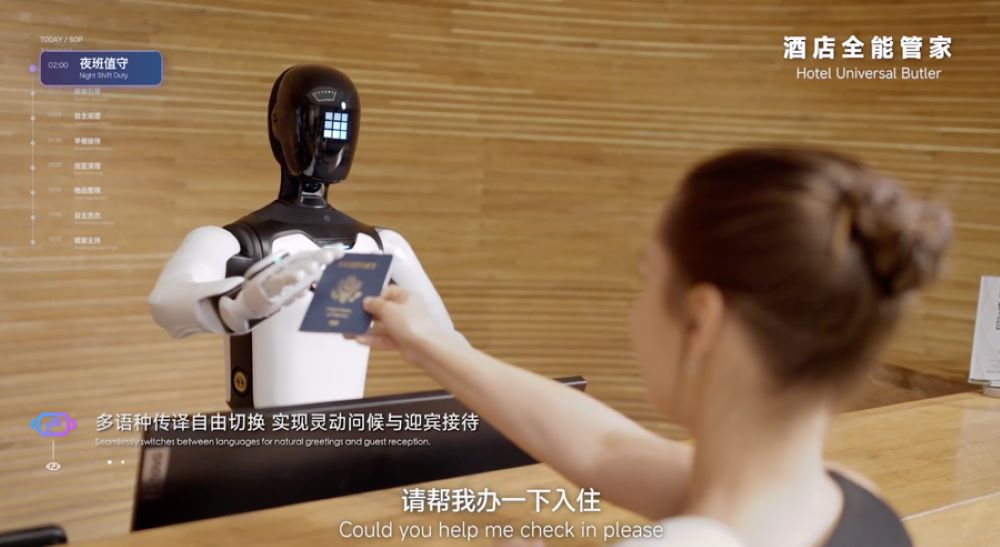
The company is also demonstrating multiple robots working together, pointing to a potential shift in deployment models.
Instead of putting a single humanoid through a limited trial, businesses could eventually use fleets of machines that divide tasks and operate as a coordinated workforce.
The commercial test
For the industry, the harder question is no longer whether a humanoid robot can walk or perform a scripted routine.
It is whether it can work for long periods, recover from errors, be maintained at reasonable cost and generate enough value to justify its deployment.
AgiBot has begun exploring overseas markets through Hong Kong’s embodied-intelligence industry co-creation program and robot-as-a-service leasing in Australia and New Zealand.
The latest deployments give potential customers a more concrete reference point as the company seeks to expand beyond China.
They also illustrate how the next phase of the humanoid robot race may be decided less by what the machines can demonstrate on stage than by what they can accomplish — and earn — on the job.
Header image credit: AgiBot