- The Shanghai-based startup has raised more than 1 billion yuan less than 18 months after its founding
- Its simulation-first approach aims to train robots without relying on real-world demonstration data, with early deployments at CATL
Sudo Robotics (苏度科技), a Shanghai-based developer of general-purpose embodied AI, has raised more than 1 billion yuan ($149 million) in a new funding round as it pushes to scale its robot technology in industrial settings.
The round was jointly led by Shanghai SSCI Leading Private Equity Fund Management, Guotai Haitong Securities and Fortera Capital, with participation from DHLT Investment, Dongfeng Asset Management, China Development Bank Capital, Everest Venture Capital and Liangtu Zhice. Xiaomi and other existing shareholders also participated.
The company said the new funding will go toward further developing its full-stack technology and validating it at scale in real-world industrial applications.
Building the full stack
Founded in May 2025, Sudo Robotics was established by Su Hao (苏昊), a prominent scholar in embodied intelligence, and serial technology entrepreneur Han Zheng (韩铮). The company is headquartered in Shanghai.
Su is one of the core creators of ImageNet, a landmark dataset that helped advance modern computer vision, and has led foundational 3D-vision projects including ShapeNet and PointNet.
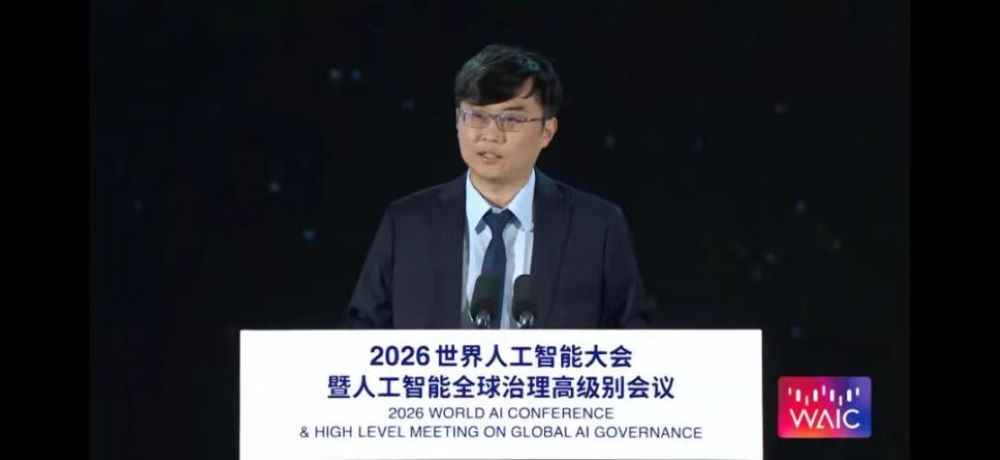
He is currently a distinguished professor at Fudan University and dean of its Institute of General Physical Intelligence.
Sudo is developing a full-stack system spanning foundation models, data, simulation, robot hardware and control systems. Its goal is to build a general-purpose physical intelligence platform whose capabilities can be transferred across tasks and environments.
The company has adopted a simulation-first approach known as simulation-to-real, or Sim2Real. Instead of relying on data collected from physical robots, Sudo trains its robot models primarily with simulated data before deploying them in the real world.
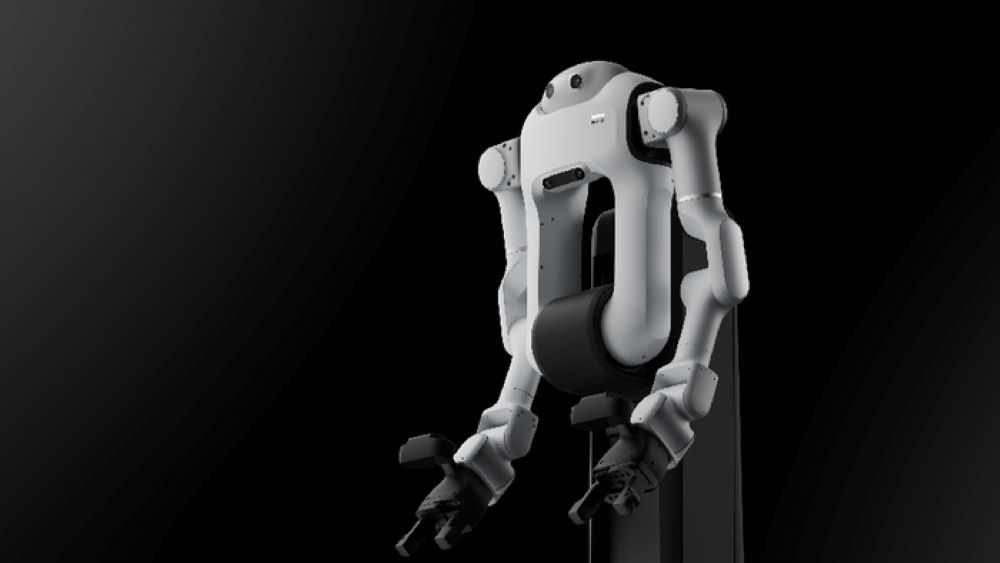
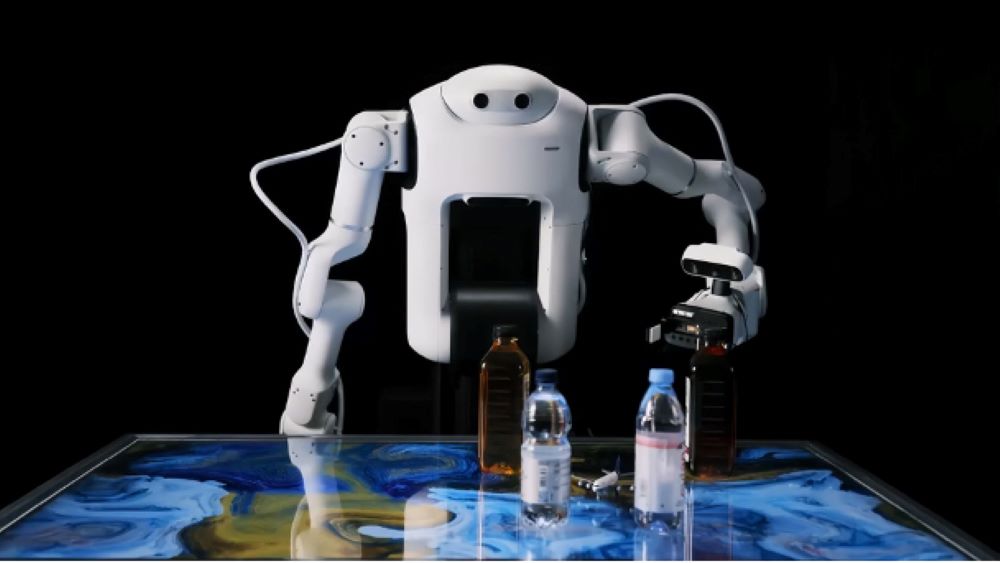
In April, the company unveiled the Sudo R1, a fully self-developed robot system. Sudo said R1 achieved a nearly 100% zero-shot success rate when grasping unseen objects in unfamiliar environments without using real-world demonstration data.
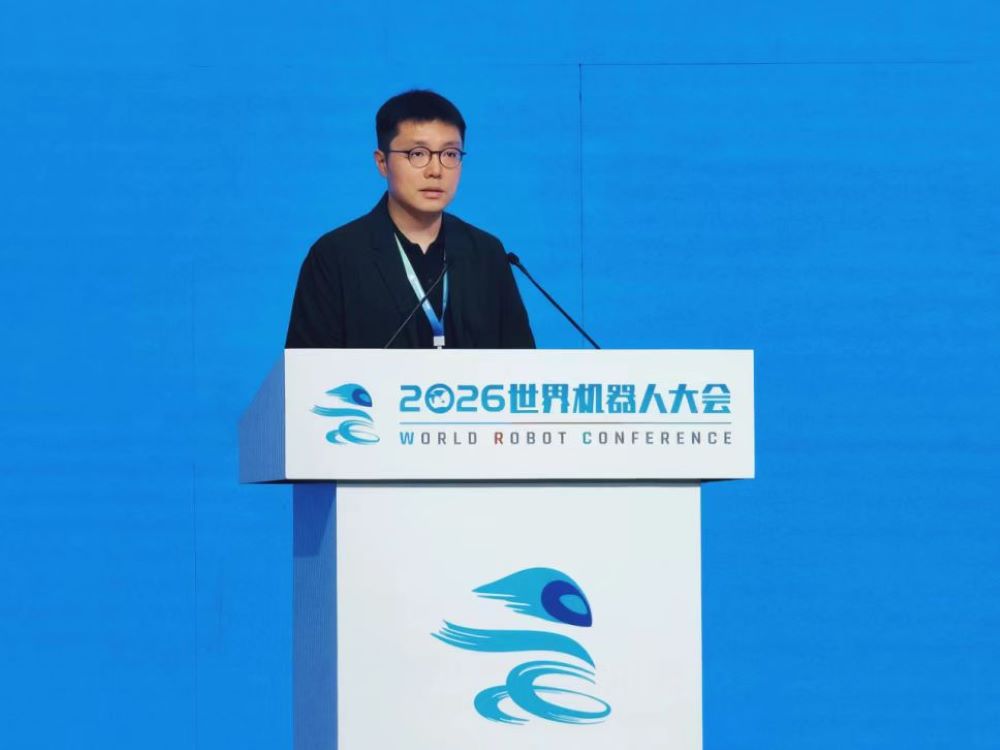
The company has set a commercial threshold of more than 99% skill success, according to CEO Han. “Generality is the destination, while reliability is the starting point,” Han said.
The target reflects a broader challenge for embodied AI companies: moving from robots that can perform impressive demonstrations to systems that can reliably execute repetitive tasks in uncontrolled industrial environments.
From simulation to factories
Sudo has begun testing its technology with major industrial customers, including battery maker CATL, where its robots have been deployed on production lines.
The company is targeting what it describes as fragmented, long-tail tasks that traditional automation systems struggle to handle.
Such tasks can involve changing objects, layouts or operating conditions that make conventional fixed automation expensive or difficult to reconfigure.
At the 2026 World Artificial Intelligence Conference in Shanghai, Sudo demonstrated a battery-module assembly process based on its work with CATL, showcasing precision assembly and coordination among multiple robots.
The company is also betting that simulation can reduce one of the major bottlenecks in embodied AI: collecting enough high-quality physical-world data to train robots for a wide range of tasks.
Investors back early bet
Sudo’s latest round follows an unusually rapid fundraising run for a company that was founded less than 18 months ago.
China Life Capital led the company’s pre-Series A++ round in January 2026, only months after its founding and before it had launched a commercial product.
Ji Xiang (吉祥), deputy director of the insurer’s innovation investment center, said the investment was based on the long-term strategic value and industrial potential of embodied intelligence rather than simply following a hot investment theme.
Sudo has since attracted backing from a group of major investors and industrial companies, including Alibaba, Tencent, CATL, GL Ventures, IDG Capital, Lanchi Ventures and Legend Capital.
Following its pre-Series A financing in April, the company was valued at more than $2 billion, according to the company.
The latest financing gives Sudo more capital to develop its technology and expand industrial deployments. The bigger test will be whether its simulation-first approach can maintain high reliability as robots move beyond controlled demonstrations and into a wider range of factory tasks.
Header image credit: Sudo Robotics