- The Shanghai BCI developer is combining neural interfaces with AI and 3D printing in a new clinical exploration
- A paralyzed participant used the system to turn creative ideas into physical objects and control devices at home
A man with severe paralysis has used a brain-computer interface (BCI) to turn an idea into a physical figurine, in an experiment by Shanghai-based startup NeuroXess (脑虎科技) combining brain signals, AI and 3D printing.
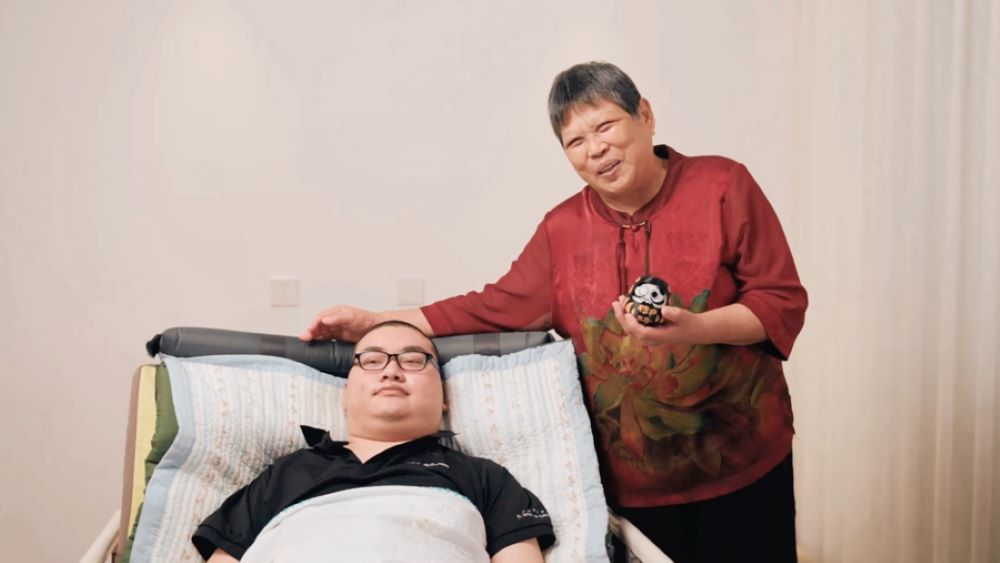
NeuroXess said September 30 that a participant identified as Xiaojia had used its fully implanted, wireless and multifunctional brain-computer interface system to complete a creative workflow from concept to physical production.
Xiaojia studied animation design before a 2021 accident caused a C4 spinal cord injury, severely limiting movement below his shoulders.
A C4 spinal cord injury affects the upper spine and can severely disrupt nerve signals between the brain and the body.
Turning ideas into objects
After receiving a BCI implant in April, he underwent training to operate digital devices and explore different applications.
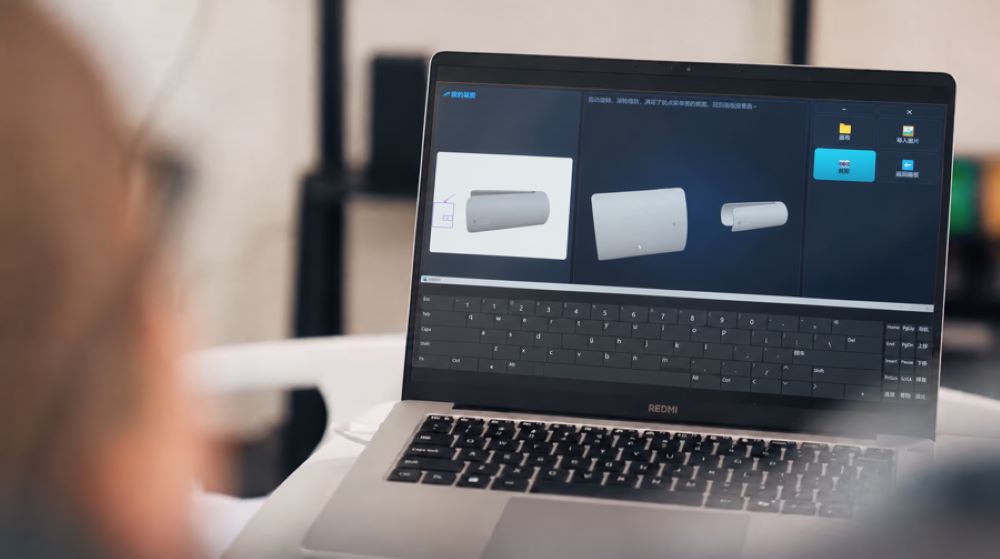
For the figurine project, Xiaojia began with a character from a video game he liked. He used brain-controlled drawing and text prompts to communicate his initial concept.
An AI model then generated several visual options, which Xiaojia reviewed and selected before the system converted the chosen design into a digital model for 3D printing.
Xiaojia provided the concept, preferences and final decisions, while AI expanded his input and generated designs. 3D printing then turned the digital model into a physical object.
From creation to daily life
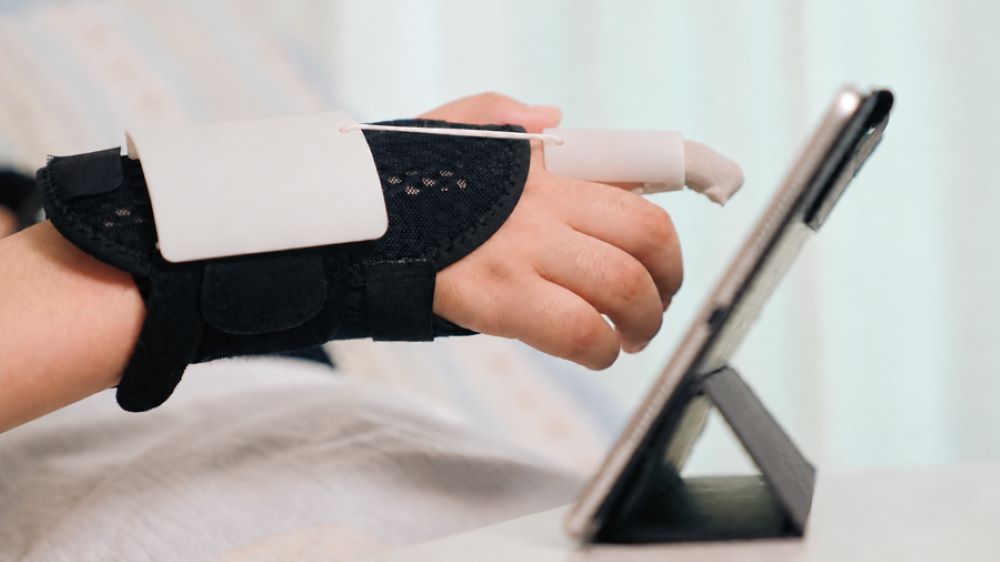
The same approach was also used to redesign a finger sleeve for operating a tablet. Xiaojia identified problems with the existing design, then worked with digital design tools and 3D printing to produce a lighter, better-fitting version aimed at making touchscreen operation easier.
The exploration also extended to controlling the surrounding environment.
NeuroXess said its system can work with AI glasses equipped with simultaneous localization and mapping, or SLAM, to perceive and map the user’s surroundings.
The system identifies areas of interest and presents available device controls.
Xiaojia can then use the BCI to express and confirm an intended action, which the system converts into a device command.
Beyond controlling a screen
Demonstrated applications include adjusting a hospital bed and controlling lights and other household equipment.
NeuroXess founder, CEO and chief scientist Tao Hu (陶虎) said the longer-term goal of BCIs should extend beyond controlling a screen or individual device.
“The future of BCIs should not be limited to controlling a screen or a device with our thoughts,” Tao said. “Human intention should be able to call on AI, connect with tools and ultimately act on the real world.”
The experiment highlights an emerging approach to BCI development that combines neural interfaces with AI and digital manufacturing, potentially giving people with severe physical limitations more ways to create, interact with and control their surroundings.
Header image credit: NeuroXess