
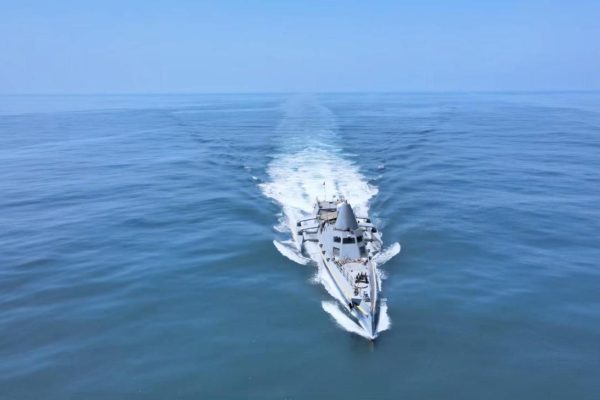
China’s unmanned vessel logs record long-distance voyage
The journey marked China’s first ultra-long-distance autonomous navigation by an unmanned vessel in open waters.

The journey marked China’s first ultra-long-distance autonomous navigation by an unmanned vessel in open waters.
-600x400.jpg "Alibaba turns AI agents into ‘digital staff’ with Qoderwake launch")
The system is designed for software engineering, operations and data analysis roles, with Alibaba describing it as “production-ready, secure and self-evolving.”
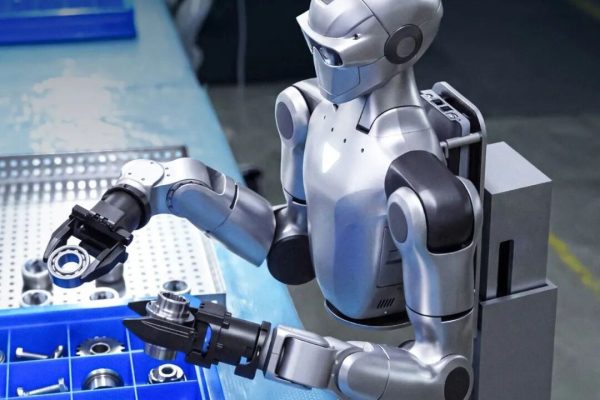
Unlike full humanoid systems, the robot’s lower half comes as either a fixed base or a mobile platform, while its end effectors are interchangeable.
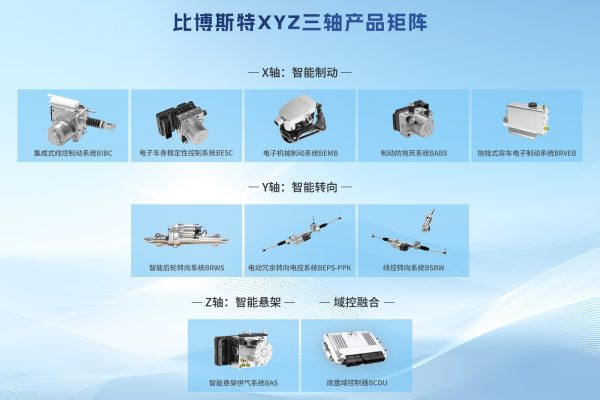
The company plans to step up investment in electro-mechanical braking (EMB), as easing regulations and new model launches position 2026 as a key year for commercialization.

A key pressure point is the rapid expansion of freshly made tea drinks. China now has more than 400,000 such outlets, with chains like Mixue Bingcheng operating about 53,000 stores.

By 2035, officials expect the district’s AI industry revenue to surpass 100 billion yuan ($14.6 billion), forming the backbone of the envisioned hub.
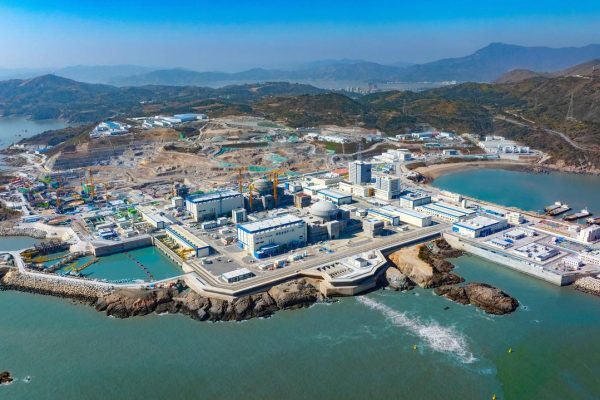
Once fully completed, the plant is expected to generate more than 54 billion kilowatt-hours of electricity annually—enough to meet the needs of over 5 million people.
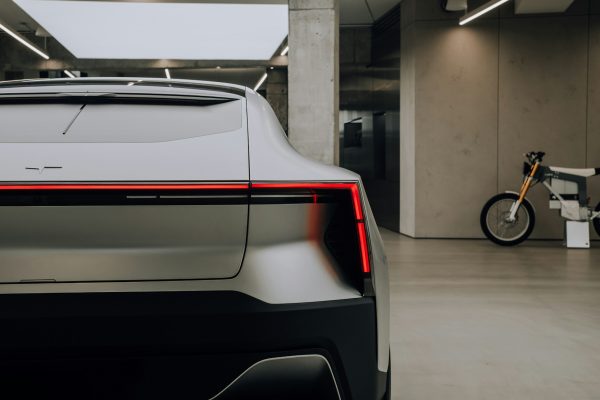
Looking ahead, Geely plans to launch more than 10 new models and technology upgrades in the second quarter.

The update allows users to upload photos and receive translations directly overlaid onto the original image, preserving layout and formatting.

Alibaba Cloud has been positioning itself as a full-stack provider, combining cloud infrastructure with AI services centered on its Qwen models and in-house chips developed by Pingtouge.