- New owner Taiyi Shenglian plans to invest 3 billion yuan to take control of the troubled Chinese EV maker and restart production
- The rescue plan targets overseas markets, but Neta’s collapse highlights the financial risks facing China’s second-tier EV exporters
Neta Auto (哪吒汽车), once one of China’s top-selling electric-vehicle startups, could be headed for a second life after an investment firm proposed putting 3 billion yuan ($447 million) into its bankrupt parent and taking a 70.62% stake.
The proposal was disclosed for the first time on September 11 at the fourth creditors’ meeting for Hozon New Energy (合众新能源), Neta’s parent company, which is undergoing bankruptcy restructuring in China.
Under the draft restructuring plan, Zhejiang Taiyi Shenglian Enterprise Management Partnership (浙江太乙圣莲企业管理合伙企业) would invest 3 billion yuan. About 1.17 billion yuan would go toward creditors and bankruptcy expenses, with the remaining 1.83 billion yuan used as working capital.
The name Taiyi Shenglian is a reference to Neta’s story in Chinese mythology. In one of the best-known versions of the legend, Taiyi Zhenren (太乙真人), a Taoist immortal and legendary figure in Chinese mythology, uses a lotus flower to give the slain Neta a new body — an apt metaphor for the proposed rescue of the EV maker.
From sales champion to bankruptcy
Neta was once a leader among China’s new EV brands, delivering more than 150,000 vehicles in 2022.
Just two years later, however, production had halted at all three of its plants, while unpaid wages and mounting supplier debts left the company struggling to keep its operations alive.
The Jiaxing Intermediate People’s Court in Zhejiang accepted Hozon New Energy’s restructuring case in June 2025. By the end of August 2026, 1,631 creditors had filed claims totaling more than 26 billion yuan.
The company’s downfall was largely a cash-flow crisis. It accumulated about 18.3 billion yuan in net losses over three years, while its parent company could no longer provide the funding needed to keep the supply chain running.
The proposed investor is a newly registered entity established in April specifically for the restructuring. Its ownership ultimately leads to Ye Ji (叶骥), a Ningbo-born entrepreneur and chairman of Shenzhen-listed Sensteed Hi-Tech Group (山子高科).
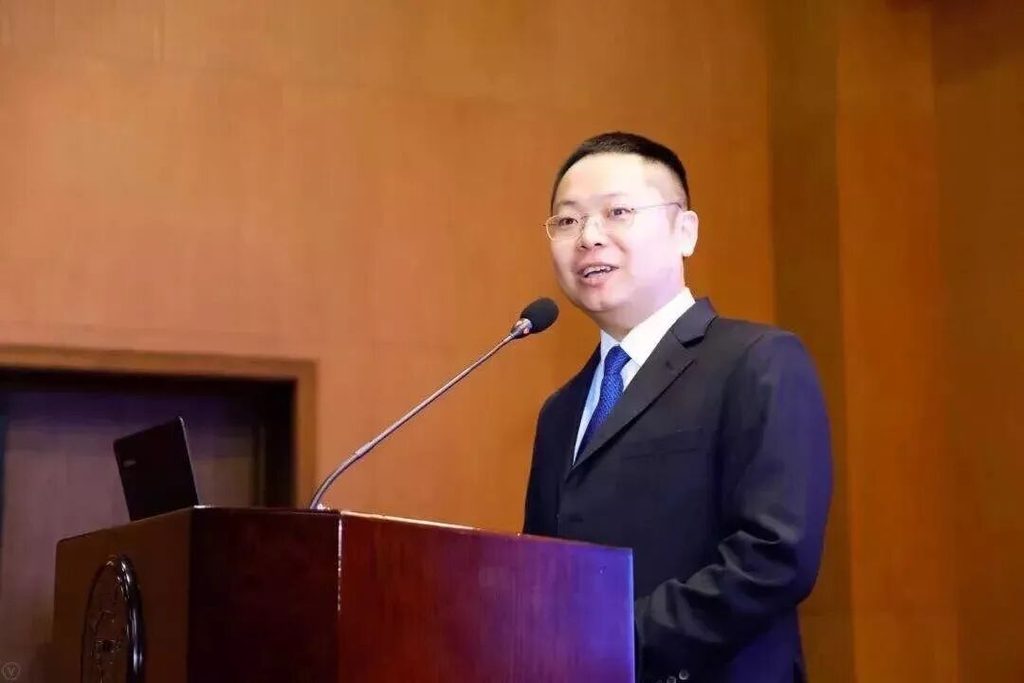
Ye previously made a name for himself by investing 3.2 billion yuan to restructure troubled Ningbo property developer Yinyi Group (银亿股份), which later became Sensteed.
The Jiaxing-based company subsequently shifted from real estate into automotive components and vehicle manufacturing.
Sensteed already has experience in vehicle manufacturing. In 2023, it acquired Hebei Hongxing Automobile and its passenger-vehicle production qualification, and has worked with Geely to restart the former Hafei Auto plant to produce vehicles for export to Russia.
The latest restructuring is being conducted through Taiyi Shenglian rather than Sensteed itself, meaning the listed company would not directly make the investment or assume Neta’s existing debts.
A three-stage comeback
The restructuring plan envisions a three-stage revival.
First, Neta would restart production of its X model and focus on overseas markets, targeting annual sales of 10,000 vehicles.
The second stage would introduce models tailored to markets in Asia, Africa and Latin America, with a planned annual production capacity of 300,000 vehicles.
The final stage would focus on globally oriented smart vehicles, targeting 40 billion yuan in annual output value and eventually an IPO.
The ambitions are substantial, but the financial gap remains significant. The proposed 3 billion yuan investment pales in comparison to the more than 26 billion yuan in creditor claims, and the investor’s registered capital remains subscribed rather than paid in.
A creditor told Chinese media that the restructuring plan is highly likely to pass, but whether Neta can actually restart mass production remains uncertain.
Neta’s overseas warning
Neta’s troubles also offer a cautionary tale for China’s EV exporters.
Thailand was once a key overseas market for the company. In 2024, Neta briefly held an 11.4% share of Thailand’s new-energy vehicle market, ranking first among China’s emerging EV brands.
But after its parent company ran into financial trouble, the Thai subsidiary faced government demands to repay more than 2 billion baht in subsidies.
Its dealer network shrank from more than 60 outlets to about 20, while some insurers reportedly stopped providing coverage for its vehicles.
The episode points to a higher bar for Chinese automakers expanding into emerging markets. Price competitiveness and vehicle exports alone may no longer be enough. Financial strength, after-sales support and regulatory compliance are becoming just as important.
Whether Taiyi Shenglian can bring Neta back to life remains to be seen. For China’s second-tier EV makers watching the overseas market, however, the lesson from Neta is already clear: going global requires enough financial firepower to stay there, instead of just technological and supply chain advantages.
Header image credit: Neta Auto’s official website