- The robot maker is increasing the registered capital of a Hangzhou unit 250-fold while adding 36 million yuan in expected sales to three affiliated firms
- The moves come as Chinese regulators tighten scrutiny of whether humanoid-robot companies can generate recurring, sustainable revenue
Unitree on September 29 disclosed plans to sharply increase the registered capital of its Hangzhou subsidiary and add 36 million yuan ($5.37 million) to its 2026 quota for related-party transactions, highlighting the growing focus on revenue quality in China’s robotics industry.
The registered capital of Hangzhou Unitree Robotics Co. will rise to 25.1 million yuan from 100,000 yuan, a 250-fold increase.
Unitree did not disclose the specific amount of capital actually to be injected, but the move comes as the company expands production and prepares its subsidiary to handle larger orders.
Related-party revenue raises eyebrows
At the same time, Unitree expects to sell 36 million yuan worth of robot products to three companies in which it holds stakes.
They include the National Pilot Base for Embodied Intelligence Applications, Shanghai Tuotian Zhilian Technology (上海拓天智联) and Zhejiang Yulan Intelligent Emergency Robot Research Institute (浙江宇蓝智能应急机器人研究院).
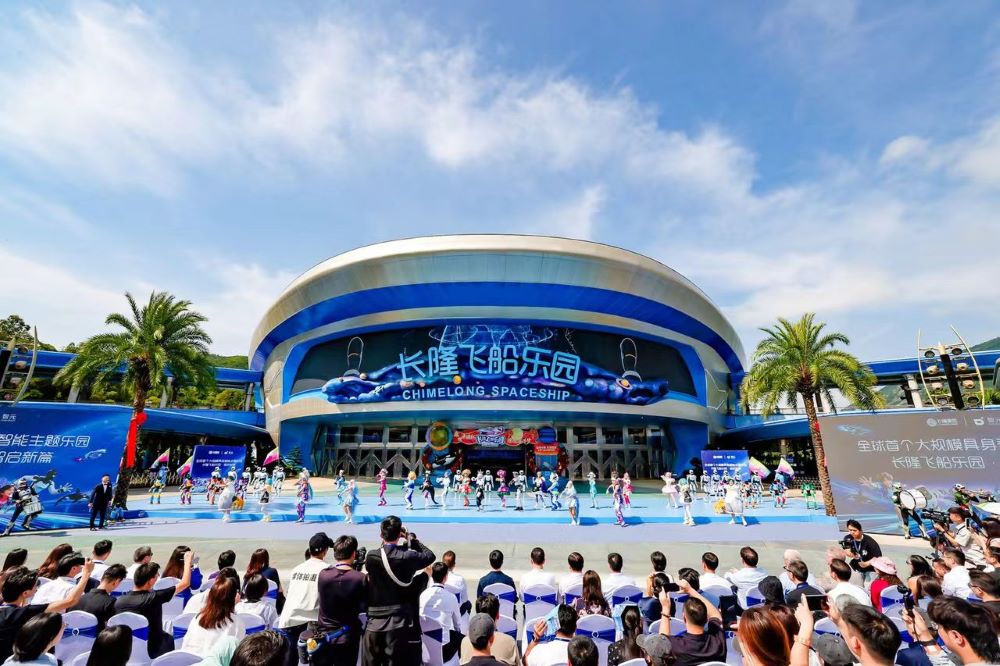
在杭揭牌-1.jpg.webp)
The related-party sales were approved by Unitree’s board, audit committee and independent-director committee.
The company said the transactions would be priced on fair-market terms and would not result in significant dependence on the related parties.
Mounting scrutiny
The disclosure comes against a backdrop of growing scrutiny over the quality of revenue reported by China’s robotics startups.
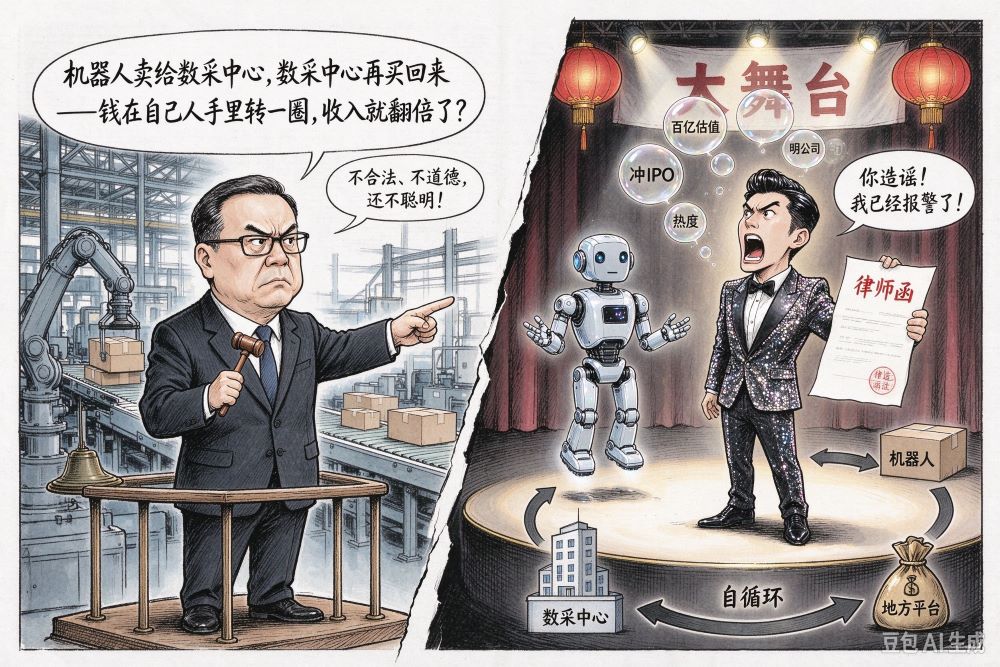
On September 9, Shao Tianlan (邵天兰), founder and CEO of Mech-Mind Robotics (梅卡曼德), criticized what he described as a practice in which some companies sell robots to government-backed data-collection centers and then buy data back from them.
This practice effectively creates revenue within a related ecosystem. Shao did not name a specific company in his posts but he was widely believed to be alluding to Galbot (银河通用).
Unitree’s transactions bear some superficial resemblance to that model, but there is an important distinction.
The Hangzhou-based robot pioneer is a publicly listed company and the transactions have gone through formal corporate-governance and disclosure procedures.
Located in Hangzhou’s Binjiang District, the National Pilot Base for Embodied Intelligence Applications, for example, is state-controlled, with Hangzhou High-tech Innovation Group holding a 50% stake, Hangzhou Data Group 36% and Unitree 10%.
The other two counterparties are also Unitree affiliates.
Genuine business demand?
The broader question, however, is whether such transactions represent genuine commercial demand or merely shift money among companies within the same ecosystem.
The Information reported earlier this month that Chinese regulators have raised the bar for humanoid-robot companies seeking to go public.
Startups are now expected to demonstrate recurring revenue, progress toward reducing losses or significant technological innovation, it reported.
That puts greater pressure on robotics companies to show that reported revenue can translate into repeatable business beyond affiliated entities and government-backed projects.
For Unitree, the latest disclosures therefore offer more than a glimpse into its expansion plans.
They also raise a question that is likely to follow the company as it pursues its next stage of growth: how much of its revenue reflects genuine market demand, and how much comes from transactions within its own ecosystem?
Header image credit: Unitree