
- The new “multi-user workspace” lets teams generate and manage shared business workflows using natural-language prompts
- Alibaba says the feature can replace off-the-shelf SaaS and custom development for tasks such as recruitment, approvals and multi-site operations
Alibaba has added a new capability to QwenWork that lets users create shared business workspaces for teams of up to 100 people, pushing the AI agent beyond individual productivity and into collaborative workflows.
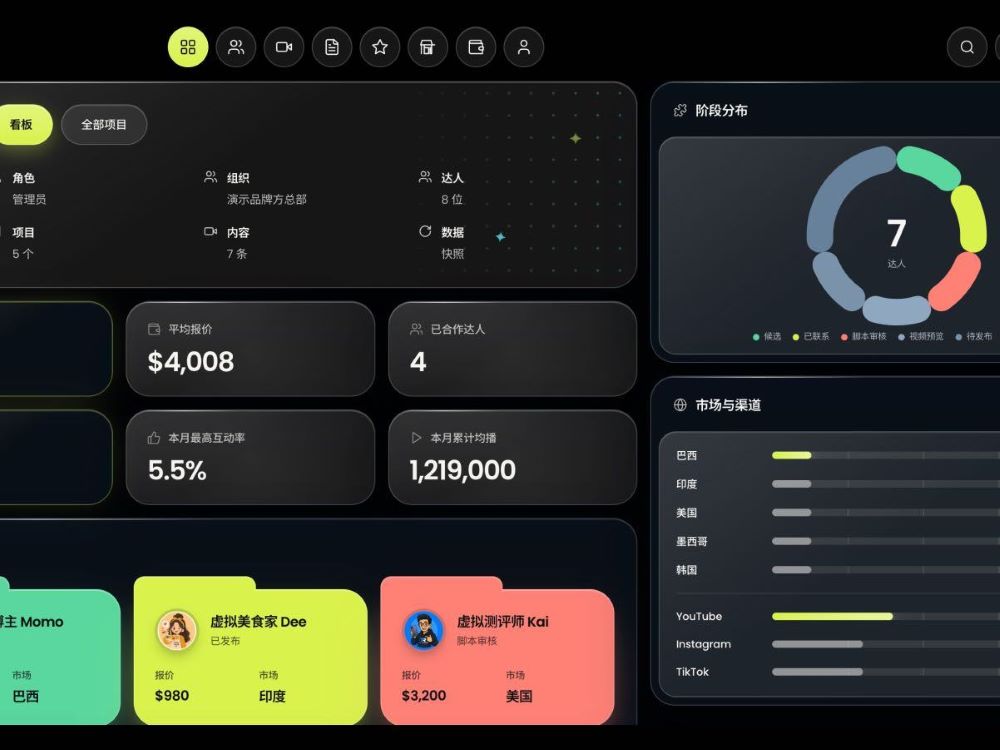
The new “multi-user workspace” allows users to describe what they need in natural language, with QwenWork generating a web-based workspace that can be published for team members to use. The feature is now available to users.
Unlike most AI workspaces designed primarily for individual users, the new feature combines role-based permissions, a cloud database, an administrative backend and online publishing.
Users can assign different permissions to different roles, while data and task progress are stored centrally.
Administrators can manage the workspace through the backend, and team members can access it through a link according to their permissions.
For example, an event organizer could generate a workspace to recruit vendors for a large market. Vendors could log in to submit information and track their applications, while organizers review submissions and finance staff monitor deposit payments.
-1024x490.jpg)
The same approach could be used for school-home coordination, with teachers assigning and grading homework, students submitting assignments and parents viewing only their own children’s information.
Chain retailers could use it to coordinate new-store openings, allowing local managers to update progress while headquarters monitors operations.
A devastating blow to SaaS product?
The pitch is straightforward: companies no longer need to buy a dedicated SaaS product or commission custom software for every workflow.
A conventional e-commerce SaaS package can cost tens of thousands of yuan a year, while custom development can run into hundreds of thousands of yuan and take months.
With QwenWork, users can generate a lightweight workflow in natural language and modify it the same way when their business needs change.
The launch marks another step in Alibaba’s effort to position QwenWork as an enterprise AI agent rather than simply an AI office assistant.
QwenWork opened to public beta in early August and passed 30 million users within its first month, with enterprise users accounting for more than half.
Alibaba says it released 120 versions and more than 1,000 new features during that period. Its international version, QwenWork.ai, is also in public beta and connects with overseas platforms including Slack and Notion.
The new workspace model points to a broader shift in enterprise software. Instead of choosing from a fixed menu of SaaS products, companies could increasingly generate their own lightweight software around specific business processes — and change those tools as the processes evolve.
Why it matters globally
That could make AI agents more consequential in the enterprise market. The competition is no longer just about which model can write the best email or summarize the most documents, but whether AI can become a layer through which companies build, run and modify their own workflows.
QwenWork has also ranked ahead of US products including Claude Cowork in a Jefferies evaluation, according to Alibaba.
Its overseas rollout and integration with platforms such as Slack and Notion suggest that Chinese AI companies are increasingly competing in enterprise software not simply on price, but on how they define and package AI-native products.
Header image credit: Alibaba QwenWork

