- The 355-square-meter store offers hands-on demos, customization and on-site purchases of personal robots
- The company is expanding its retail footprint as Chinese robot makers bring personal robots closer to consumers
PrimeBot (启元机器人), a startup making consumer-grade robots, has opened its first global offline brand store in Shanghai, bringing personal robots into one of the city’s main shopping districts.
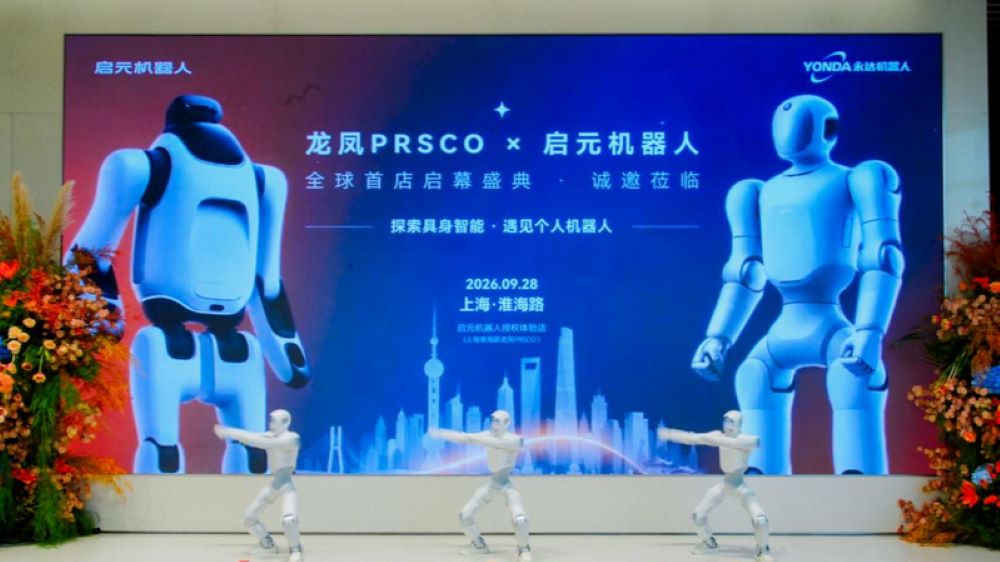
Located in Shanghai’s Longfeng PRSCO mall on Huaihai Road, the 355-square-meter store opened on September 28 and brings together product showcases, hands-on demonstrations, customization and on-site sales. PrimeBot bills it as a global experience center for personal robots.
The store offers the PrimeBot Q1 and PrimeBot T1. The Q1 is an 88-centimeter-tall humanoid weighing about 15 kilograms and designed to fit into a backpack.
It supports customized exterior components and full-stack development, with prices starting at 19,999 yuan ($2,980).
The T1 is a convertible personal robot that can switch autonomously between a wheeled-legged humanoid form and a quadruped configuration.
It also supports follow-me photography and autonomous charging, with prices starting at 19,999 yuan.
Both robots are connected to Tencent Cloud’s WorkBuddy and can access more than 10,000 skills, according to PrimeBot.
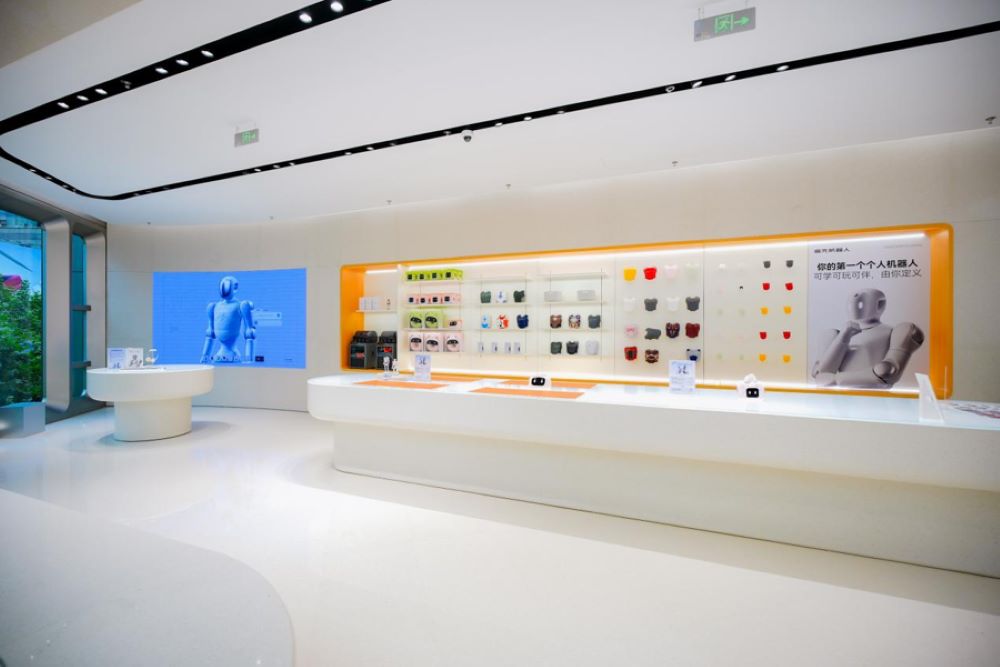
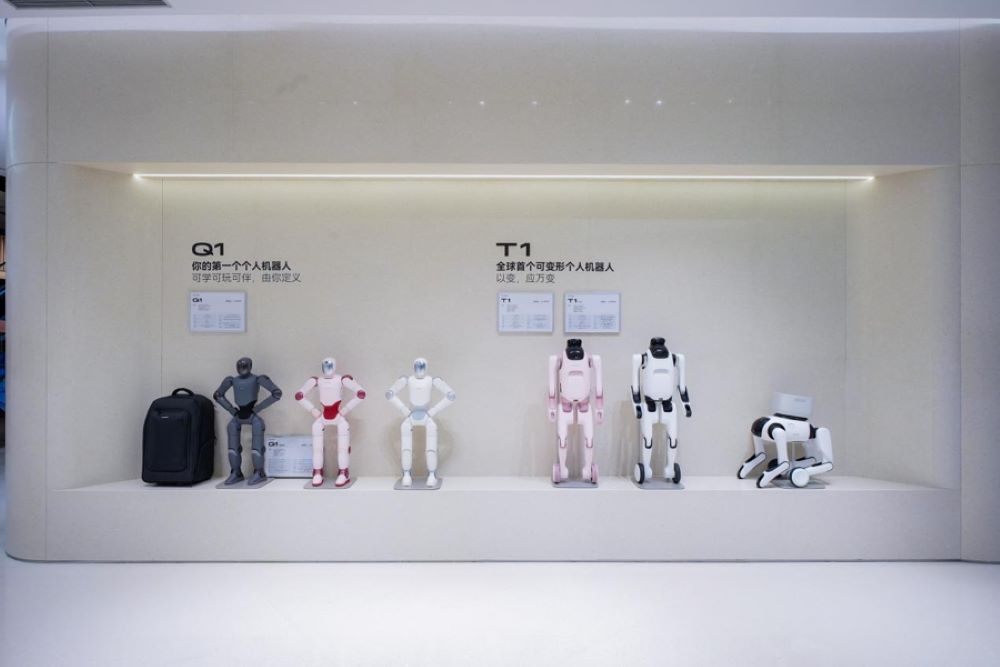
PrimeBot has also opened experience stores in six other Chinese cities — Guangzhou, Shenzhen, Xi’an, Xiamen, Hangzhou and Wuhan — and plans to expand its offline retail network.
From robots on display to robots for sale
Offline retail is hardly new territory for China’s robot makers. Unitree, for instance, has teamed up with Jiuguang Department Store to open an experience store in Shanghai’s Jing’an District, another prime commercial hub.
PrimeBot, however, is placing greater emphasis on hands-on interaction and customization. Rather than simply demonstrating a robot’s movement capabilities, its store is designed to let consumers operate the machines, customize them and make purchases on site.
That approach reflects a broader challenge for personal robots. Unlike smartphones or other mature consumer electronics, robots are still unfamiliar to most buyers, making physical demonstrations an important part of the purchasing process.
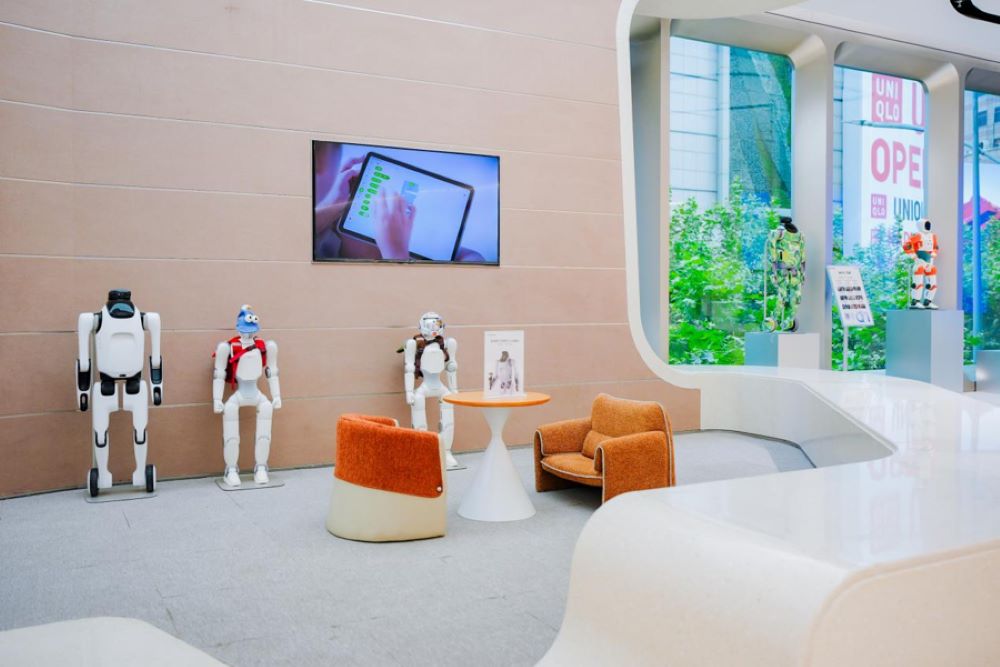
For products priced at around 20,000 yuan, an experience store could therefore serve as more than a showroom. It can help consumers understand what a personal robot can actually do before committing to a purchase.
PrimeBot’s retail expansion also offers an early test of how China’s emerging personal-robot market could develop.
A model combining online sales, physical experience stores and customization could mirror the global expansion paths of Chinese consumer brands such as DJI and Anker. It could also offer a template for taking personal robots overseas.
Header image credit: PrimeBot