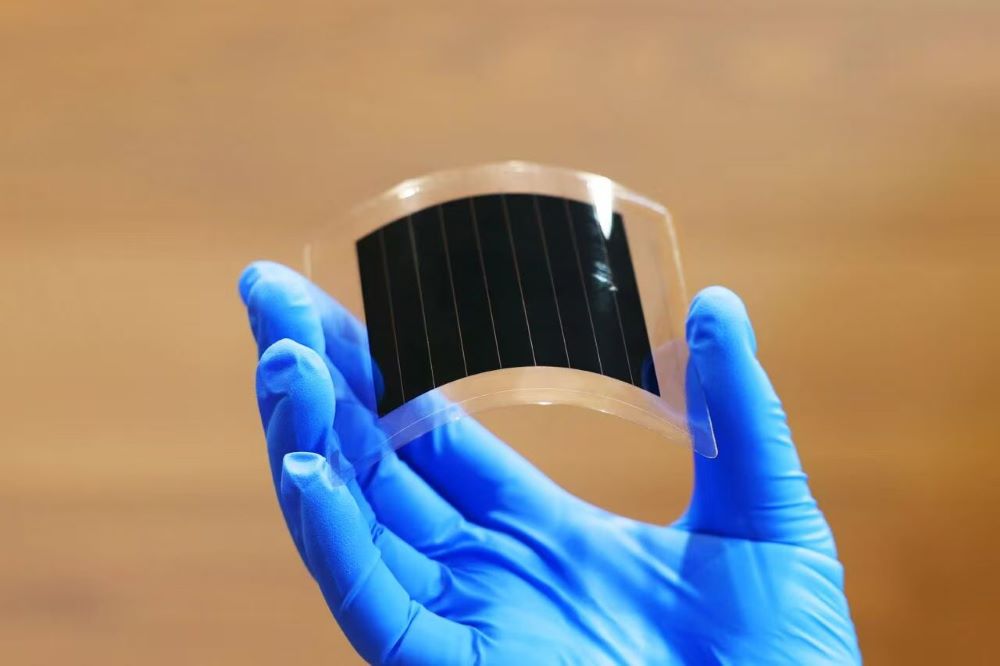
- GCL Perovskite is testing whether a lightweight solar technology can survive the harsh conditions of space
- The mission marks China’s first engineering-level orbital test of perovskite modules for spacecraft power applications
A Jiangsu-based solar technology company is preparing to send its perovskite solar modules into space, marking China’s first engineering-level orbital test of the emerging photovoltaic technology for spacecraft power applications.
Kunshan GCL Perovskite (协鑫光电), a subsidiary of GCL Group, completed integration of its single-junction perovskite solar modules for an upcoming orbital validation mission on October 1.
The modules are set to launch aboard Beijing Azspace’s B300-series small cargo spacecraft. The Beijing-based private space company develops commercial spacecraft and in-orbit services.
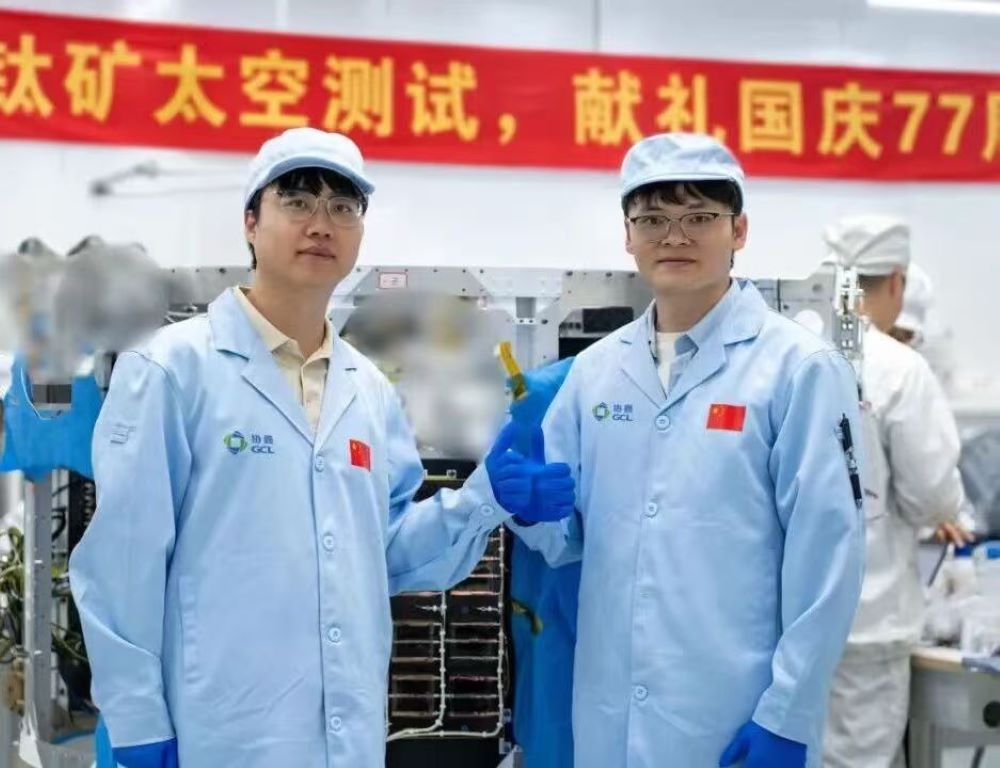
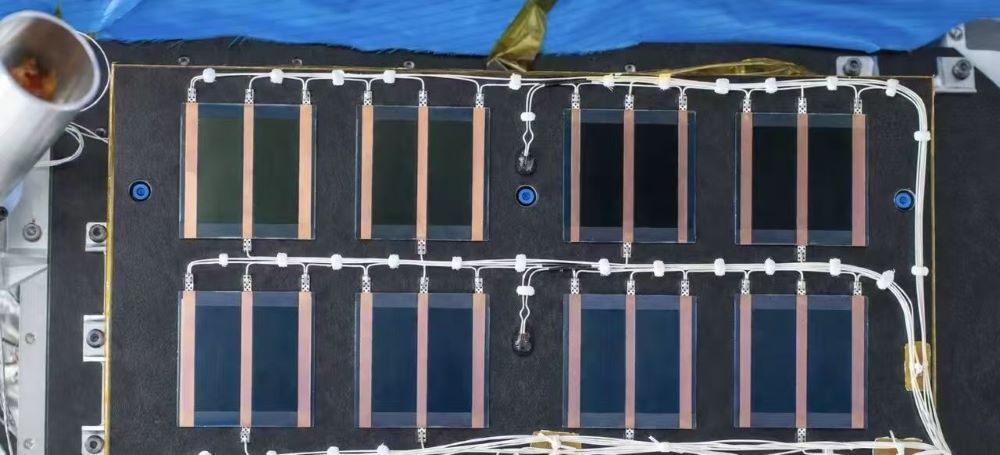
The mission will test the modules’ performance in low Earth orbit, about 360 kilometers above Earth.
Unlike previous laboratory or small-device demonstrations, the mission will evaluate a full solar module under real orbital conditions, including radiation exposure, temperature fluctuations and long-term power degradation.
Why space needs a new solar technology
Most spacecraft today rely on gallium arsenide solar cells, which account for about 95% of solar-cell materials used in space applications.
The technology offers high efficiency and strong radiation resistance, but its complex manufacturing process and high cost limit broader deployment.
Silicon solar cells are cheaper and widely used on Earth, but they degrade faster under the intense radiation environment of space.

A potential alternative
Perovskite solar cells have emerged as a potential alternative because they combine high efficiency with extremely low weight. Their theoretical power-conversion efficiency can reach around 45%, while thin-film perovskite modules can weigh only a fraction of conventional silicon panels.
For commercial space activities, where every kilogram launched into orbit carries a cost, lighter solar technology could enable larger power-generation systems without significantly increasing launch expenses.
China has also identified space-based solar power technologies as a research priority, with the latest renewable-energy development plans calling for further technology validation in this area.
From factory floors to orbital tests
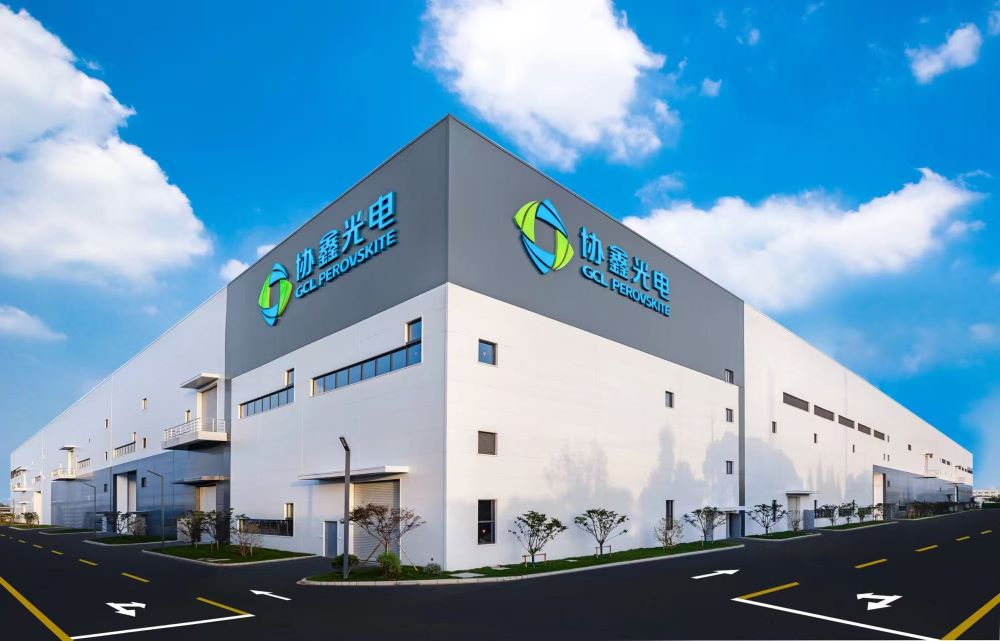
Founded in 2019, GCL Perovskite focuses on developing and commercializing perovskite photovoltaic modules. The company has attracted investment from GCL Group, Tencent, Temasek, HongShan, IDG and other institutions.
On Earth, the company has moved beyond laboratory prototypes. Its 2-square-meter perovskite tandem module has achieved certified efficiency of 27% and obtained IEC certifications, allowing its products to meet international solar-market standards.
Space, however, presents a much tougher challenge.
The company has partnered with Azspace and advanced materials company Pheno Innovations to conduct in-orbit testing of perovskite photovoltaic technology. The mission will collect data on power output, degradation patterns, thermal cycling performance and environmental adaptability.
GCL Perovskite plans to conduct further endurance tests in space in 2026 and aims to begin mass production of space-specific modules between 2027 and 2028.
The challenge is surviving space
Perovskite technology has advanced rapidly on Earth, but long-term stability remains one of its biggest hurdles.
Space exposes materials to conditions that are difficult to replicate in labs, including high-energy radiation, extreme temperature swings and vacuum environments.
For spacecraft operators, efficiency alone is not enough. Solar modules must continue producing reliable power over years of operation.
That is why the Kunshan company’s latest mission is less about proving that perovskite cells can generate electricity and more about proving they can become dependable space hardware.
If successful, the technology could offer a lower-cost, lighter alternative for future satellites, commercial spacecraft and other space infrastructure that requires scalable power systems.
Header image credit: GCL Perovskite official WeChat