

Today’s Yangtze funding roundup: BCI, new materials, robotics, quantum…
AI and quantum startups attracted fresh capital, spanning brain-computer interfaces, materials discovery and next-generation computing.


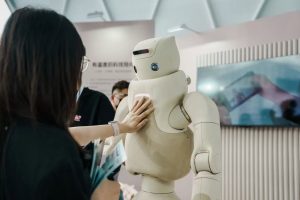


AI and quantum startups attracted fresh capital, spanning brain-computer interfaces, materials discovery and next-generation computing.

From its Zhenwu chips and Qwen models to Qwen App and Qwen Office, Alibaba is attempting to build a full-stack AI ecosystem.

The rapid shift between buying and selling pressure produced a 27% intraday swing and sent the stock down another 18.7% the following day.

Toward competitors — especially those capable of challenging his company’s position — his attitude can become highly defensive and combative.

The real test for the succession will be whether “One Geely” can deliver more than the founder alone could.

The company is using price incentives to steer non-urgent workloads toward nights, weekends and holidays

Released on the eve of Unitree’s IPO on August 19, the launch looks like more than a demonstration of engineering capability.

DeepSeek was allocated 933,400 shares, worth about 141 million yuan at the IPO price, making it one of the more notable strategic investors.
New funding is also flowing into physical AI data infrastructure, supporting the expansion of embodied intelligence

Its dual-arm system uses standard flanges and integrated interfaces, allowing operators to quickly switch end-of-arm tools for different tasks.