
-600x400.jpg "Alibaba CEO says machines could do 1,000x more ‘thinking’ than humans")
Alibaba CEO says machines could do 1,000x more ‘thinking’ than humans
Its Qwen team plans to train a new model with 5 trillion to 10 trillion parameters as it moves toward artificial superintelligence, or ASI.
Its Qwen team plans to train a new model with 5 trillion to 10 trillion parameters as it moves toward artificial superintelligence, or ASI.
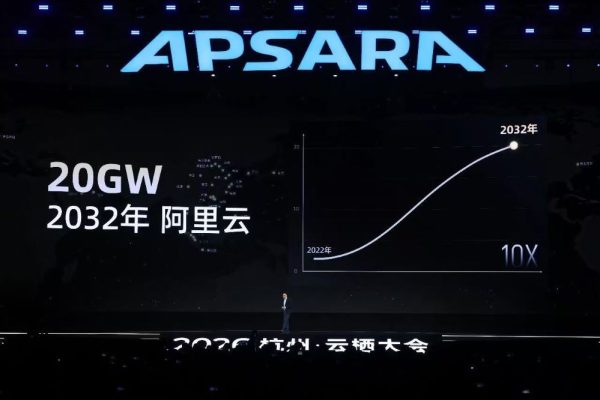
This move comes as the Hangzhou-based tech giant ramps up AI infrastructure investment to meet surging demand for computing power.

It will comprise two computing-center buildings and primarily support Alibaba Cloud’s AI model training operations.

This helps to address a persistent problem with AI-generated video: maintaining continuity across a sequence.
3.jpg.webp "Alibaba raises $10.2 billion in record HK share sale to fund AI push")
The fundraising comes as Alibaba enters an AI investment window defined by accelerating revenue but mounting pressure on profits.

From its Zhenwu chips and Qwen models to Qwen App and Qwen Office, Alibaba is attempting to build a full-stack AI ecosystem.

The M890 supernode is also the first supernode architecture in China reported to have successfully run AI models exceeding 2 trillion parameters.

The architecture, known as CUBE 5.0, raises the modularization rate of the five major systems from about 30% in earlier designs to 90%.
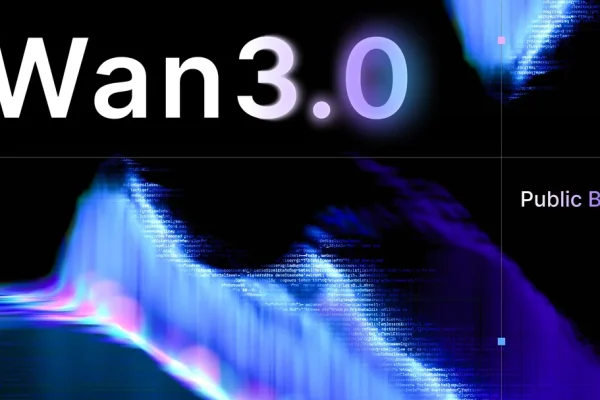
Wan3.0 reflects a broader shift in AI video generation — from experimental content creation toward practical production workflows.

Wang’s remarks reflect Hangzhou’s ambition to position itself not simply as China’s leading AI hub, but as a global center for open-source innovation.