- New architecture to debut in 2027 as Chinese EV maker expands beyond battery-electric vehicles
- Leapmotor also unveils a world-model driving system and says it has begun testing its own robot
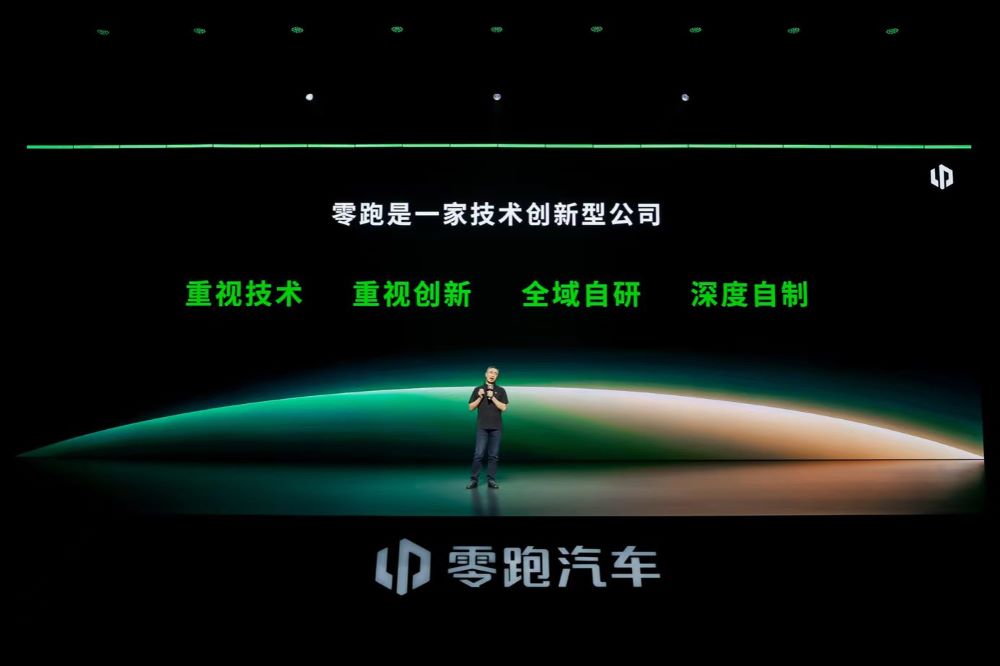
Leapmotor unveiled its next-generation vehicle architecture and announced moves into plug-in hybrids and embodied AI as the Chinese EV maker seeks to broaden its technology portfolio and global footprint.
At its technology day in Huzhou, Zhejiang Province, on September 16, Leapmotor introduced the LEAP5.0 architecture, three core technologies and several technology initiatives.
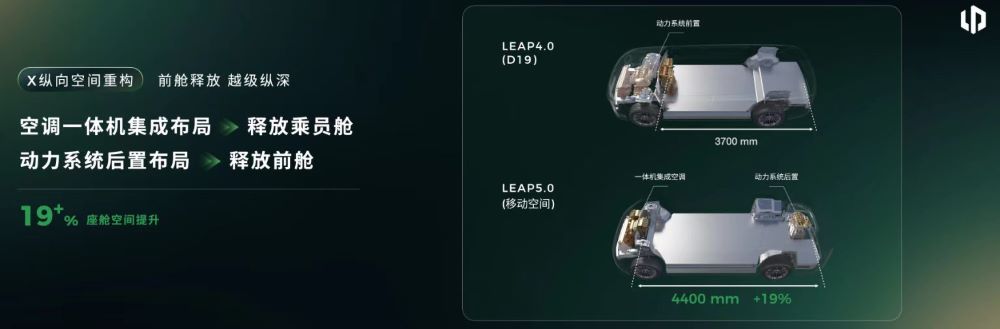
The architecture, the successor to LEAP4.0, is scheduled to debut in 2027. It integrates the air-conditioning system and moves the powertrain to the rear to create more cabin space.
This design allows the interior to be configured for uses ranging from a dining area to a cinema or bedroom, Zhu Jiangming, chairman and CEO of Leapmotor, said at the event.
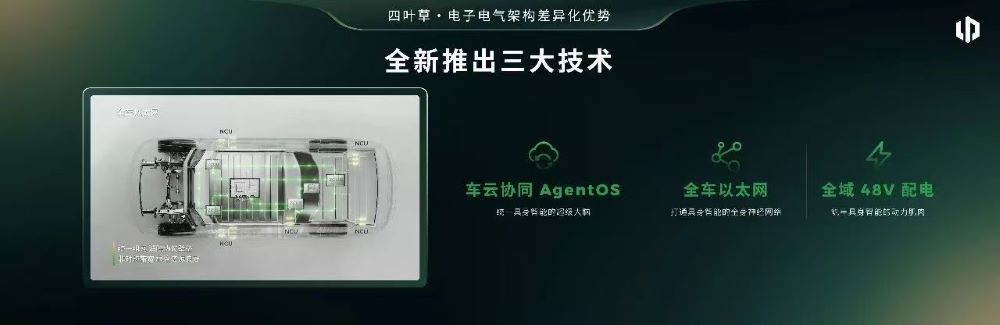
On the electronic side, the new Clover 5.0 central-domain architecture uses a 48-volt electrical system and a vehicle-cloud AgentOS, while cutting total wiring to 500 meters.
A new world model player
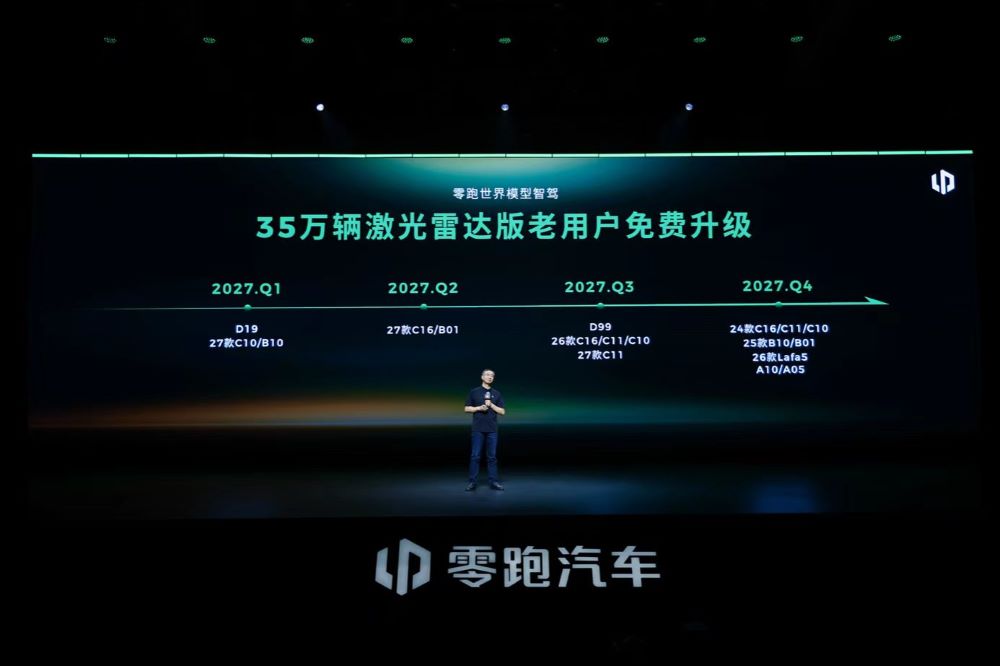
The company’s three core technologies include an in-house LWM world-model-assisted driving system.
Leapmotor said it will offer free lifetime upgrades and use of the system to customers with lidar-equipped vehicles, while bringing advanced driver-assistance features to models priced below 100,000 yuan ($14,911).
Leapmotor also unveiled its MM-i multi-mode hybrid electric-drive system, which combines a generator-sharing architecture, coaxial dual electromagnetic clutches and intelligent dual-motor control.
The system marks the company’s entry into the plug-in hybrid market. Previously, Leapmotor’s product line consisted only of extended-range and pure-play EV models.
Its CTC3.0 battery technology integrates the functions of a conventional low-voltage battery into the main high-voltage battery pack, eliminating the separate low-voltage unit. Leapmotor said related patents will be opened to the industry.
“Leapmotor will not innovate just to show off,” Zhu told the audience. “Every innovation unveiled today will be applied to our next-generation products.”
From EVs to embodied AI
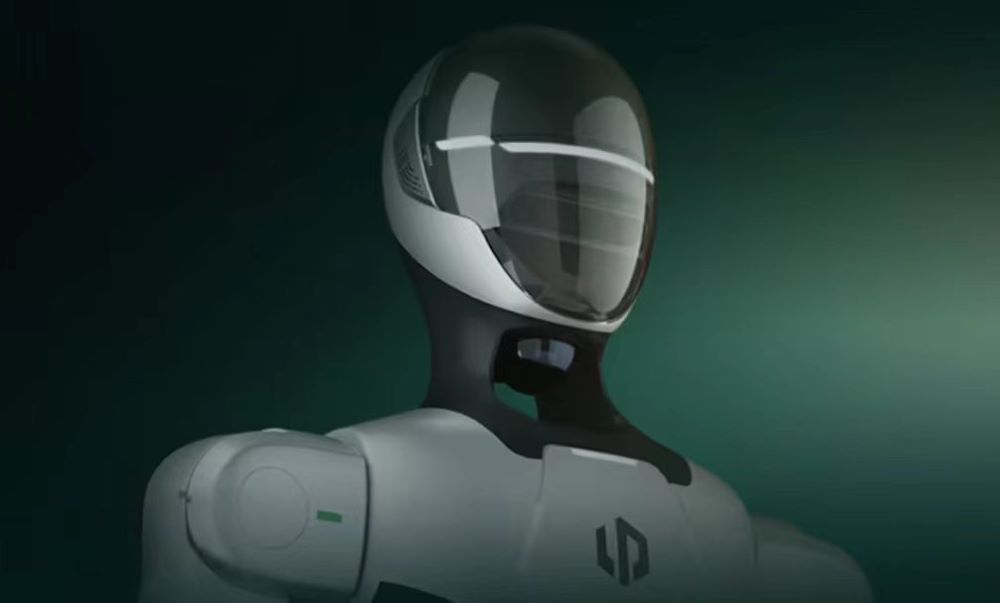
The engineer-turned-entrepreneur also disclosed that Leapmotor has fully developed a robot in-house and has begun testing it, although he offered few technical details.
“A robot that can simply take a walk is nothing special,” he said. “A robot that can make money is what counts.”
The announcements come as Leapmotor scales rapidly at home and abroad. The company delivered 103,129 vehicles globally in August, its second consecutive month above 100,000 units.
Deliveries in the first eight months reached about 561,000, putting it more than halfway toward its unchanged annual target of 1 million vehicles.
Leapmotor management has, however, cut its 2026 profit target to 3 billion yuan from 5 billion yuan. Zhu has previously said the company has “no Plan B” for its million-unit sales target.
Booming exports
Leapmotor exported 96,294 vehicles in the first half of 2026, already exceeding its full-year 2025 exports and accounting for about 27% of total sales.
Through its partnership with Stellantis, Leapmotor International now has more than 1,000 sales and service outlets across 45 markets.
In Italy, the company says its pure-electric market share has exceeded 25% for six consecutive months.
The overseas strategy gives Leapmotor a route to global expansion without having to build its own distribution network from scratch: Chinese vehicle technology is being combined with Stellantis’ established European channels.
Jumping on the open-source bandwagon
At the same time, Leapmotor is using technology to build a broader ecosystem.
Its decision to open-source CTC3.0 patents and offer lifetime free upgrades for its world-model driving system contrasts with the software subscription model used by some global automakers.
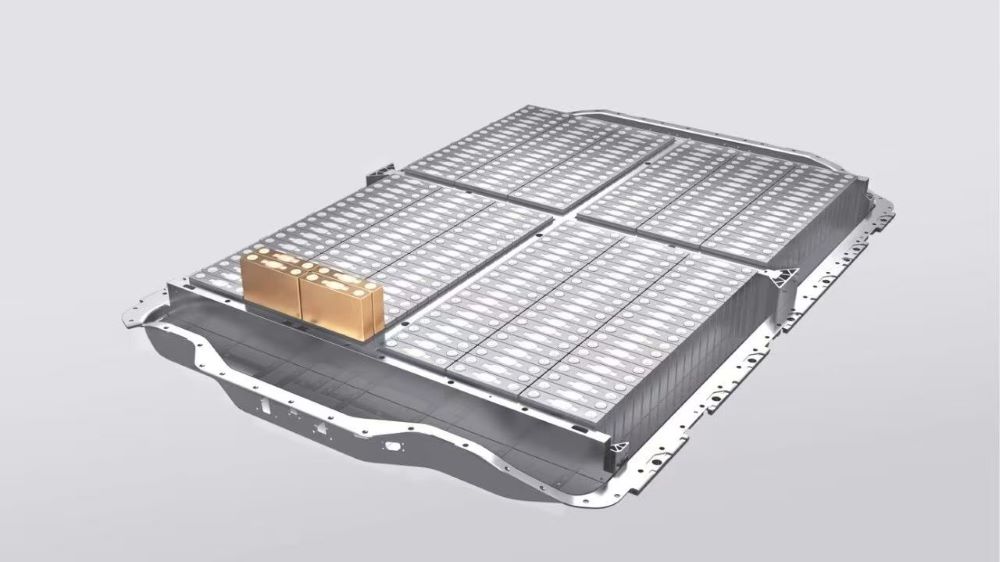
CTC, or cell-to-chassis technology, integrates battery cells directly into the vehicle’s structural platform, reducing components and freeing up space.
For overseas markets, Leapmotor’s approach points to a different model for global expansion.
Chinese automakers can combine their technology and products with established local and international networks instead of building their own infrastructure from scratch.
Header image credit: Leapmotor