

- Zelos, Neolix and Rino.ai are moving toward on-demand autonomous logistics services
- Nationwide rules are raising compliance costs as competition concentrates among a handful of players
China’s autonomous delivery-vehicle industry is quietly shifting from selling robot vans to selling the transport capacity they provide.
Zelos (九识智能), a Suzhou-based company, launched hourly rentals for its autonomous delivery vans, or robovans, on September 10, following moves by rivals including Neolix (新石器无人车) and Rino.ai (白犀牛) to develop robovan-as-a-service (RaaS) business models.
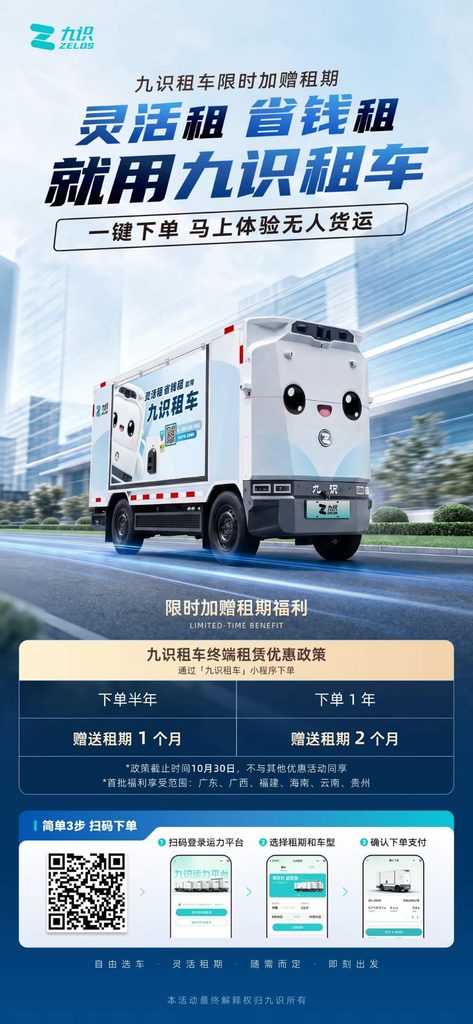
Zelos co-founder Zhou Qing (周清) said customers can rent vehicles by the year, month, day or hour. “It’s not just renting a vehicle, it’s renting a service,” he was quoted as saying in a story published by the National Business Daily newspaper.
The shift reflects changing economics. As Chinese suppliers have driven down the cost of autonomous delivery vans from around 1 million yuan ($149,111) to 50,000-100,000 yuan, buying the vehicle is becoming less of a barrier.
The bigger challenge is operating, dispatching and maintaining fleets.
Under a service model, customers pay for transportation capacity without having to own, insure or maintain the vehicles.
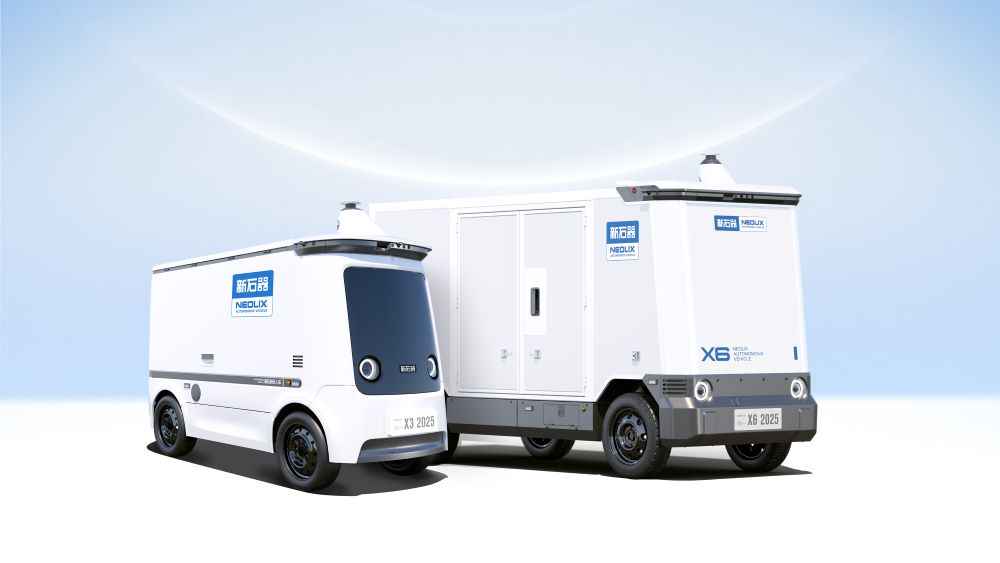
Beijing-based Neolix said its RaaS model in northern China’s Qingdao has cut transportation and loading costs by 40% to 50% compared with traditional logistics.
From selling vans to selling service
Neolix founder Yu Enyuan (余恩源) said in April that the industry was moving from vehicle sales to transportation services and that “simply selling vehicles is difficult to sustain.”
Its RaaS service enables customers to order autonomous vans through an app or mini-program and pay by order or mileage.
According to Neolix, daily orders in Qingdao peaked at more than 6,500 as of March, with applications ranging from building materials and fresh food to supermarkets and pharmaceuticals.
Rino.ai, also based in Beijing, has taken a similar route. Its partnership with logistics platform Huolala (货拉拉) in Linyi, Shandong, connects its road-ready robovans to the platform for on-demand deliveries by consumers and small businesses.
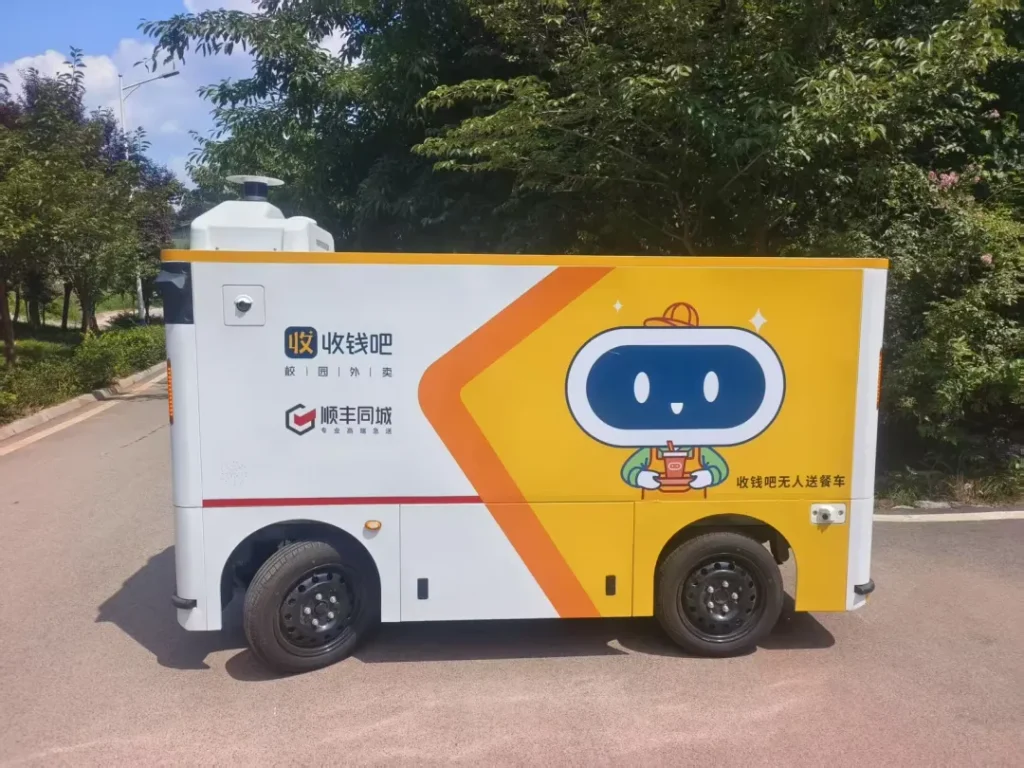
A separate partnership with Hangzhou-based SF Intra-city (顺丰同城), the same-city delivery arm of logistics titan SF Express, in Shandong’s Weifang targets time-sensitive supermarket, fresh-food and retail deliveries.
Advancing, one city at a time
The business-model shift comes as a regulatory change removes one of the industry’s biggest obstacles: fragmented city-by-city road access.
Before nationwide rules were introduced, operators had to obtain separate permits on a city-by-city basis and adapt to local policies.
Neolix had secured road access in more than 300 Chinese cities by August, covering every province.
Rino.ai co-founder Zhu Lei (朱磊) described the fragmented approach in 2023, saying he was constantly traveling between Shanghai, Suzhou, Shenzhen and Hefei to work with local transportation authorities on market access as the company deployed vehicles in different cities.
Rino.ai then had road access in more than 20 cities, but rules, use cases and customer needs varied from place to place.
The city-by-city approach proved costly but necessary in the industry’s early stages, when regulations and road access varied by city.
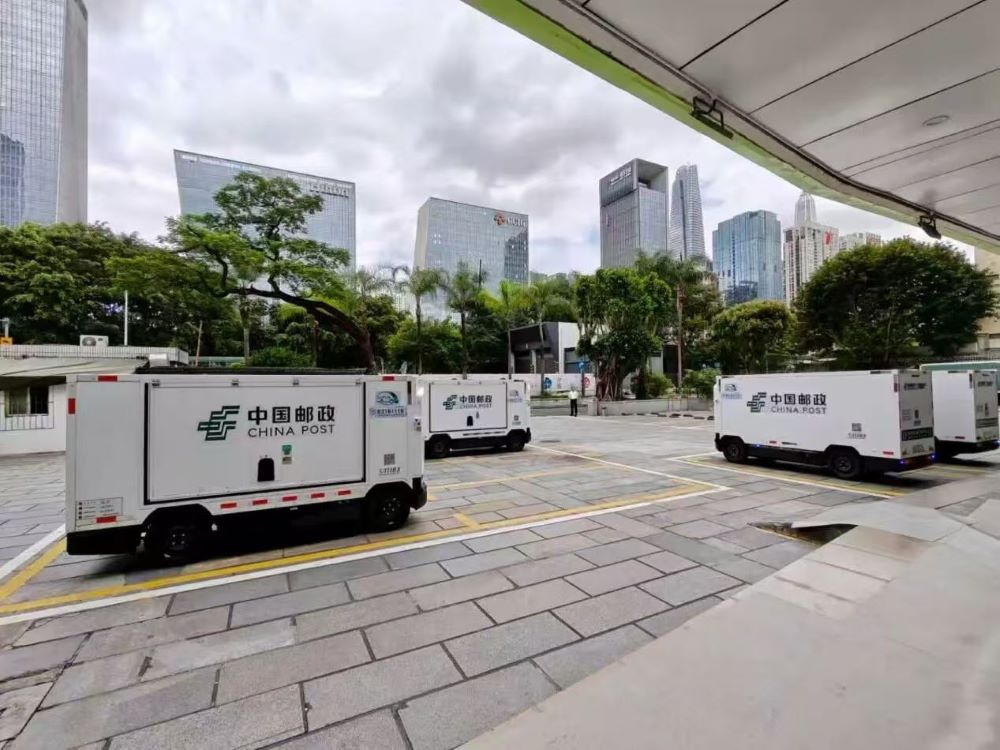
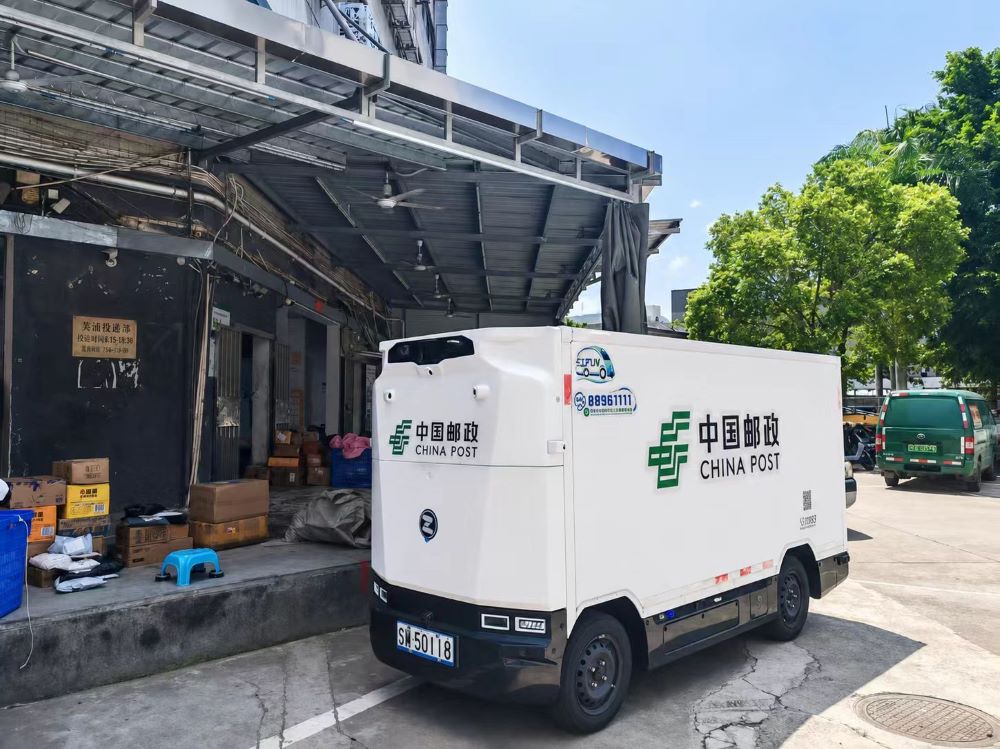
Zelos Vice President Xue Yapeng (薛亚鹏) said the company had deployed more than 4,000 vehicles in Jiangsu alone, highlighting the direct link between road-access approvals and market expansion.
Compliance becomes the new barrier
A nationwide safety standard for intelligent connected vehicles took effect on July 1, bringing autonomous delivery vans under a unified regulatory framework for the first time.
The rules require robovans operating on public roads to meet requirements including vehicle certification, compulsory insurance, data retention and operator liability.
Existing vehicles must be brought into compliance or withdrawn by August 1, 2027, the standard states.
Rino.ai Vice President Wang Hanji (王瀚基) called the regulatory change a “watershed” for the industry, saying competition would shift from simply deploying more vehicles to compliance, quality and lifetime operating costs.
The top three take it all
The market is growing rapidly but becoming increasingly concentrated. Consultancy iResearch estimates China’s autonomous urban-delivery vehicle sales will rise from about 22,000 units in 2025 to 89,000 in 2026 and nearly 1.5 million by 2030.
In the first quarter of 2026, Zelos, including vehicles deployed through Cainiao, accounted for 53.2% of the fleet nationwide, followed by Neolix at 36.2%.
Rino.ai rounded out the top three, with the three companies together accounting for more than 95% of the market.

The next challenge appears to come from autonomous-driving companies such as Momenta (魔门塔), Pony.ai (小马智行), WeRide (文远知行) and DeepRoute.ai (元戎启行), which can spread their R&D costs across passenger-car and robotaxi businesses before entering the robovan space.
For Zelosh and its peers, the industry shake-up may only be beginning.
Header image generated by Yuanbao AI

