

China Life insurers commit $600M to Shanghai’s three key industries
China Life has increasingly used both S transactions and fund investments to gain exposure to technology assets.

China Life has increasingly used both S transactions and fund investments to gain exposure to technology assets.
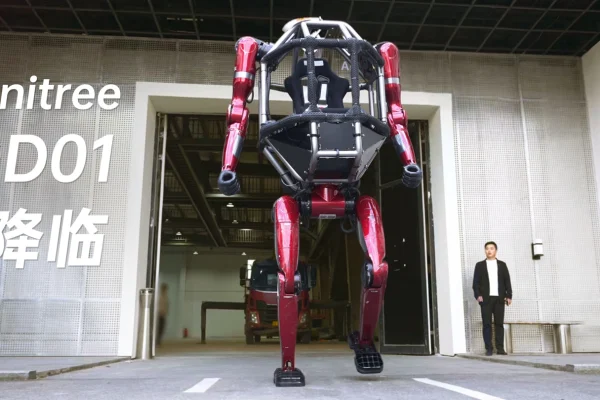
The roughly 3-meter-tall robot weighs about 500 kilograms with a rider and can switch between bipedal and quadrupedal modes.
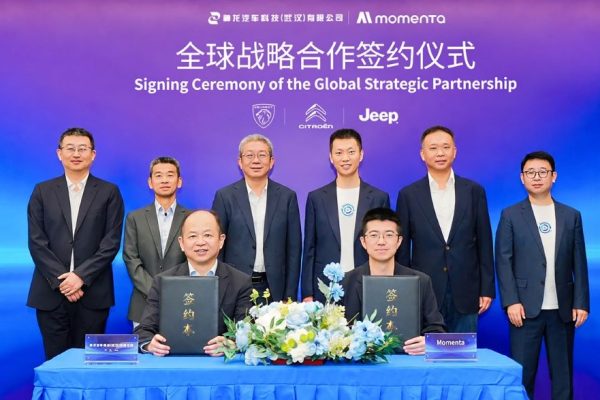
For Momenta, the partnership also provides a route for its driving technology to reach overseas markets through Stellantis’ global brands.
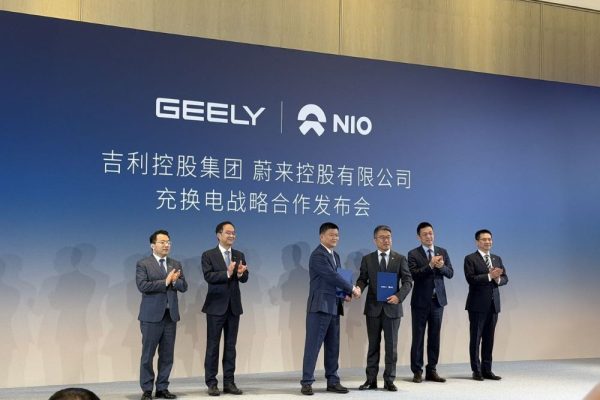
Nio and Geely began working together on battery swapping in November 2023, when Geely joined Nio’s battery-swapping alliance.

CXMT founder and memory titan GigaDevice’s venture arm reportedly behind the AI champion with a 5 billion yuan bet.

The funding will support rocket development, clinical programs, AI platforms, production expansion and advanced packaging.
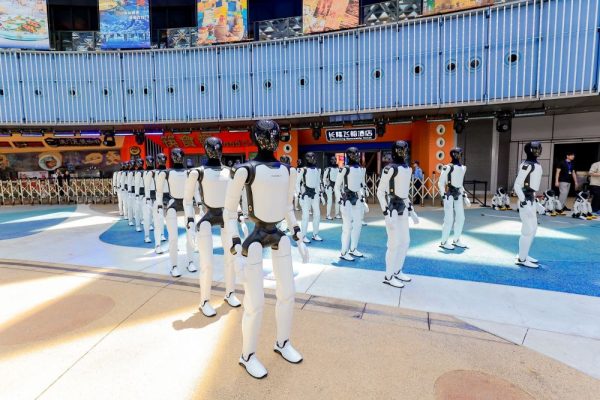
The deployment puts hundreds of robots into a public environment with large visitor volumes and unpredictable human interactions.
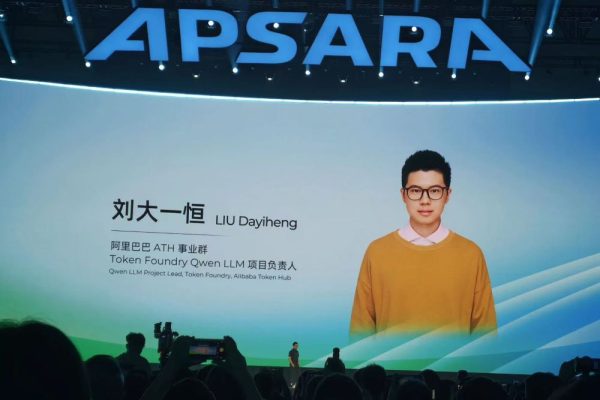
He has been involved in the development of Qwen’s core language models as well as Qwen-Coder and multimodal models.
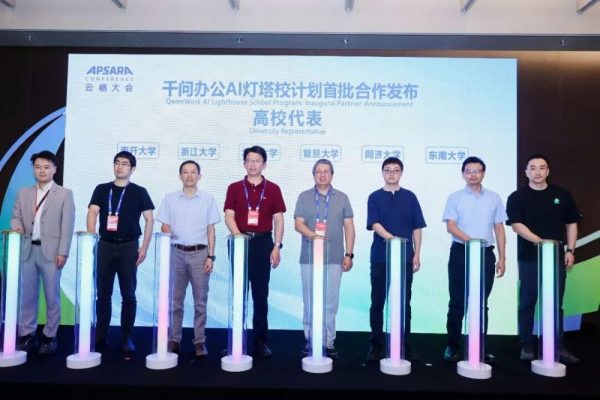
Many teachers and students are already using AI agents for lesson preparation, research and learning, but mostly on an individual basis.
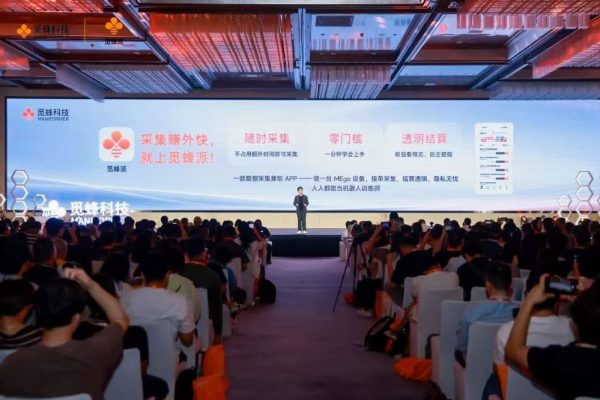
The company said that during a one-month trial, the platform registered 20,000 users and collected 13,000 task submissions.