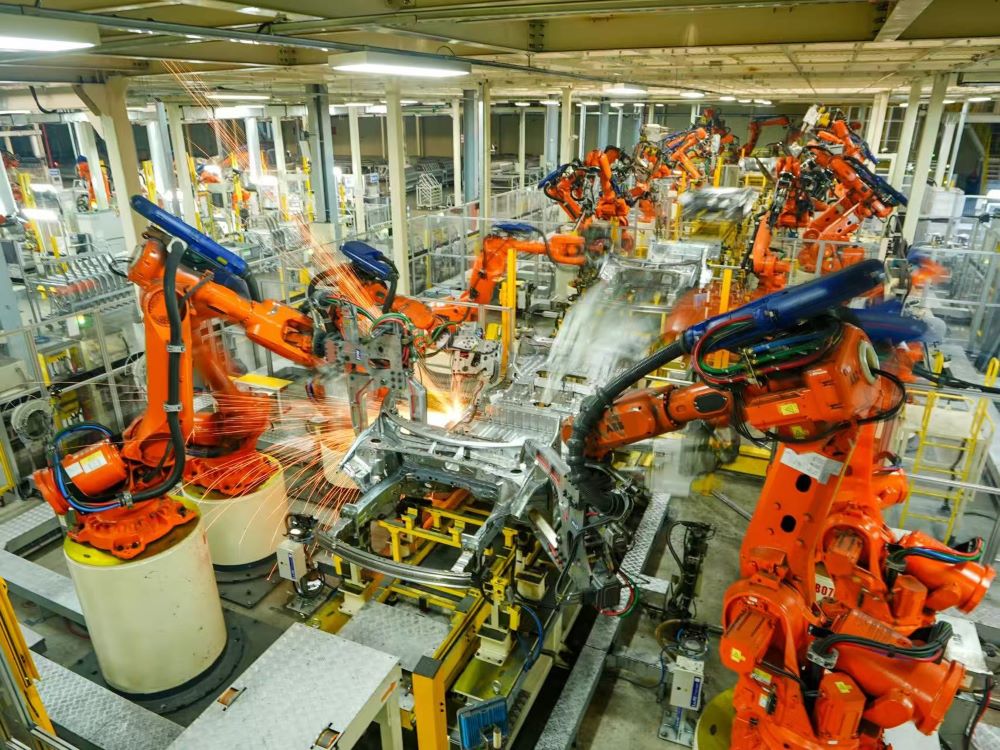
- One vehicle rolls off the line every 55 seconds, with about 90% of current orders destined for overseas markets
- Flexible production allows the plant to build vehicles for more than 120 countries, while a new nearby port route is cutting logistics lead times
Automaker Geely’s oldest manufacturing plant in Zhejiang is running at full capacity as overseas orders surge, with a vehicle rolling off its assembly line every 55 seconds.
The Linhai plant, located in Taizhou, produces about 1,100 units a day, or 26,000 to 28,000 a month, according to He Yewei (何叶伟), a senior quality information manager at the facility.
About 90% of its current orders are for overseas markets, he added.
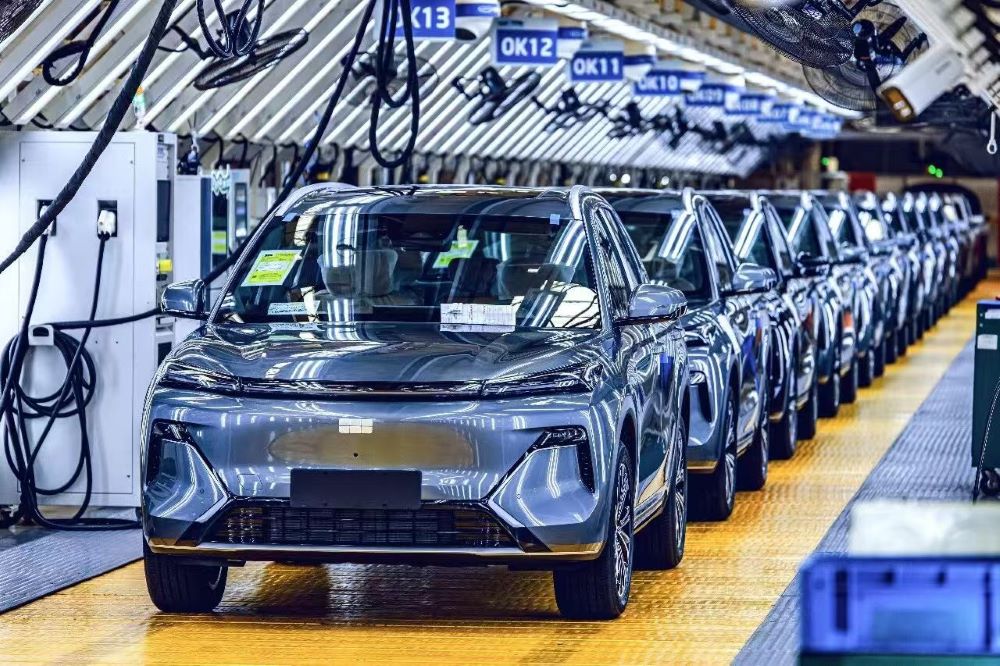
Geely has reported strong growth in overseas sales this year, with monthly exports exceeding 100,000 vehicles for four consecutive months. New-energy vehicles have been a major source of the increase.
From January through August, the Linhai plant recorded more than 130,000 export orders and shipped more than 110,000 vehicles to markets across Europe, Asia-Pacific, Latin America, Africa and the Middle East. The UK, Mexico and Australia each accounted for more than 10,000 cumulative orders.
One line, 120 markets
The plant’s selling point is not just capacity but flexibility.
Radio Frequency Identification (RFID) chips attached to each vehicle body contain information on its destination market and configuration.
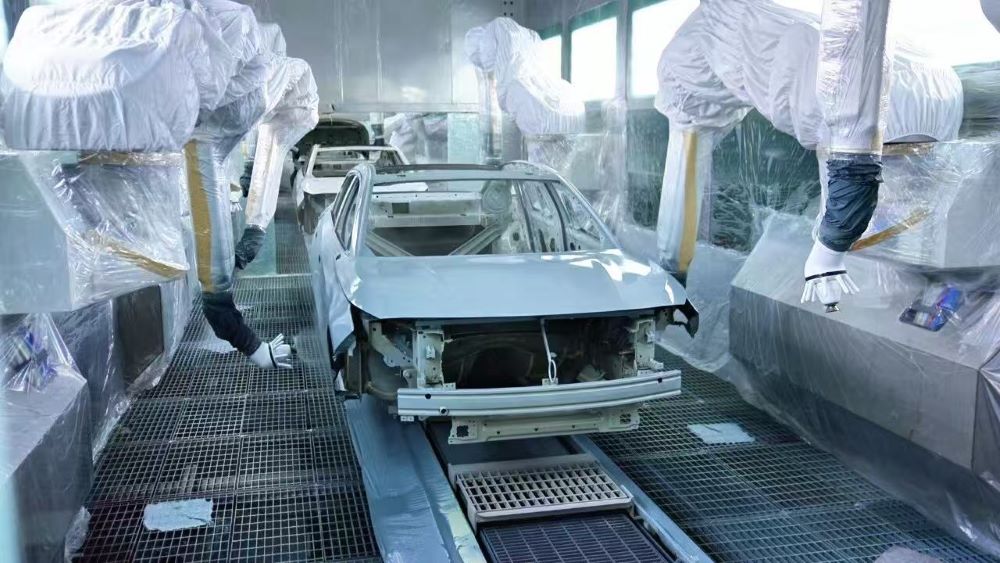
AI systems read the data and send instructions to production stations through the manufacturing execution system, allowing the same line to build vehicles for more than 120 countries and switch between left- and right-hand-drive models.
Geely says the plant has completed more than 1,000 adaptations for different overseas markets and obtained certification in more than 100 countries.
The changes range from enhanced cooling systems for the Middle East to additional spare tires and tools for African markets.
Vehicles for Brazil use corrosion-resistant fuel tanks designed for ethanol-blended gasoline, while European models feature wider anti-collision beams to meet crash-test requirements.
Shorter route to overseas markets
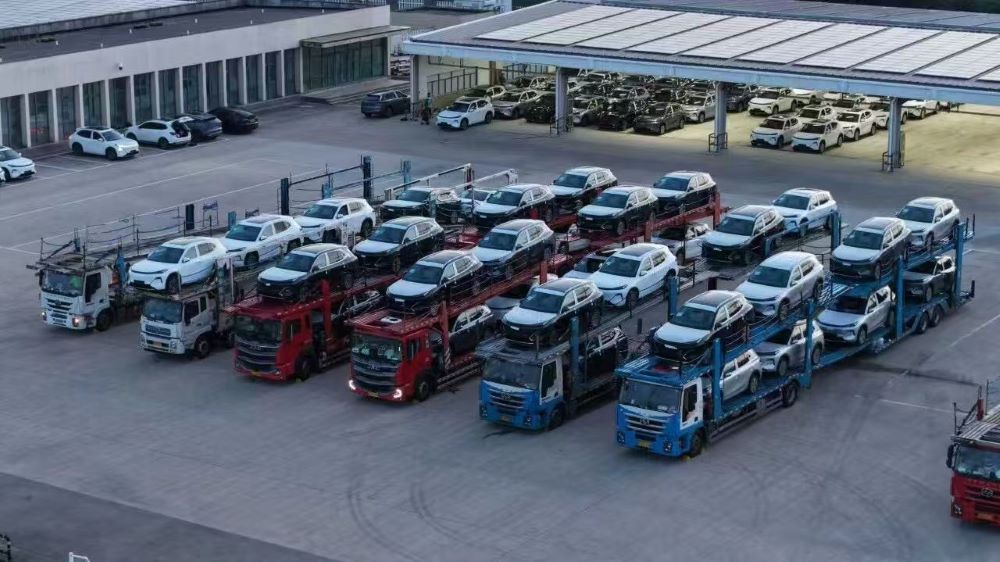
The plant is also benefiting from a new export route through nearby Toumen Port in Taizhou.
On September 21, more than 3,500 Geely new-energy vehicles were loaded onto a roll-on/roll-off vessel bound for Europe, including more than 2,300 from the Linhai plant.
The factory is just 3 kilometers from the Taizhou Comprehensive Bonded Zone, allowing vehicles to move directly from the plant into bonded storage before being transported a short distance to the port. The new route has cut logistics lead times by about 30%, according to local officials.
Toumen Port plans to introduce regular monthly roll-on/roll-off services and become a major export hub for Geely.
“Previously, export vehicles from Linhai often had to be transported by road to ports in Ningbo or Shanghai, driving logistics costs higher and extending delivery times,” Li Jianjian (李剑剑), deputy director of the industrial services center at the Taizhou Comprehensive Bonded Zone.
Geely’s first factory
The Linhai plant was established in 1997 as Geely’s first factory and was originally designed around gasoline-powered vehicles.
To handle the shift toward new-energy vehicles and export-oriented production, Geely has been upgrading the facility while keeping it running.
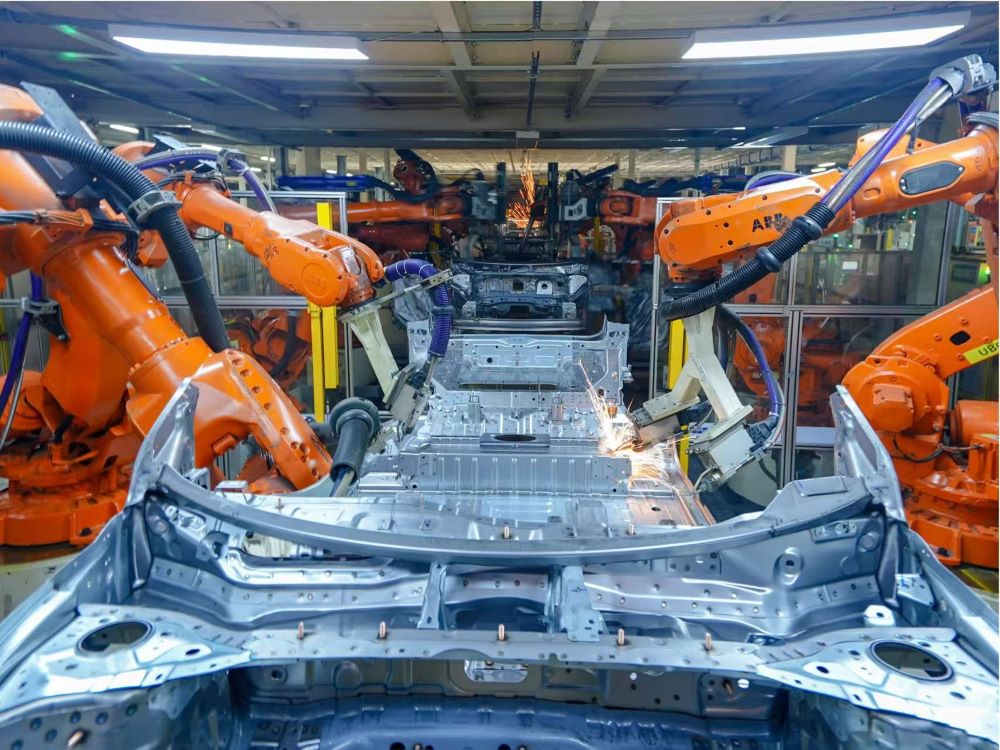
Its three stamping lines are now fully automated, while 568 robotic arms work in the welding shop. The robots can switch parameters between gasoline and plug-in hybrid models, allowing different vehicle types to be produced on the same line.
Header image credit: Linhai Release official WeChat